Love and Devotion
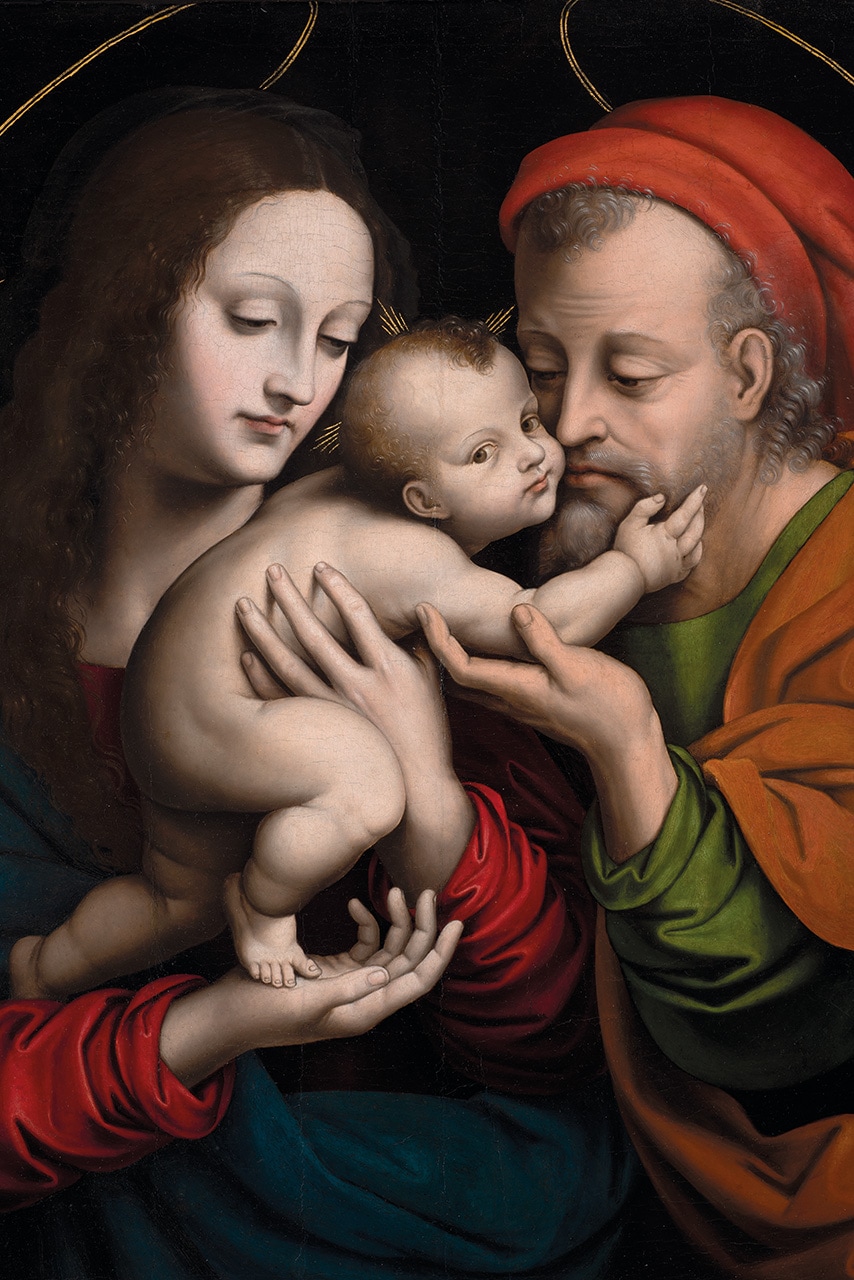
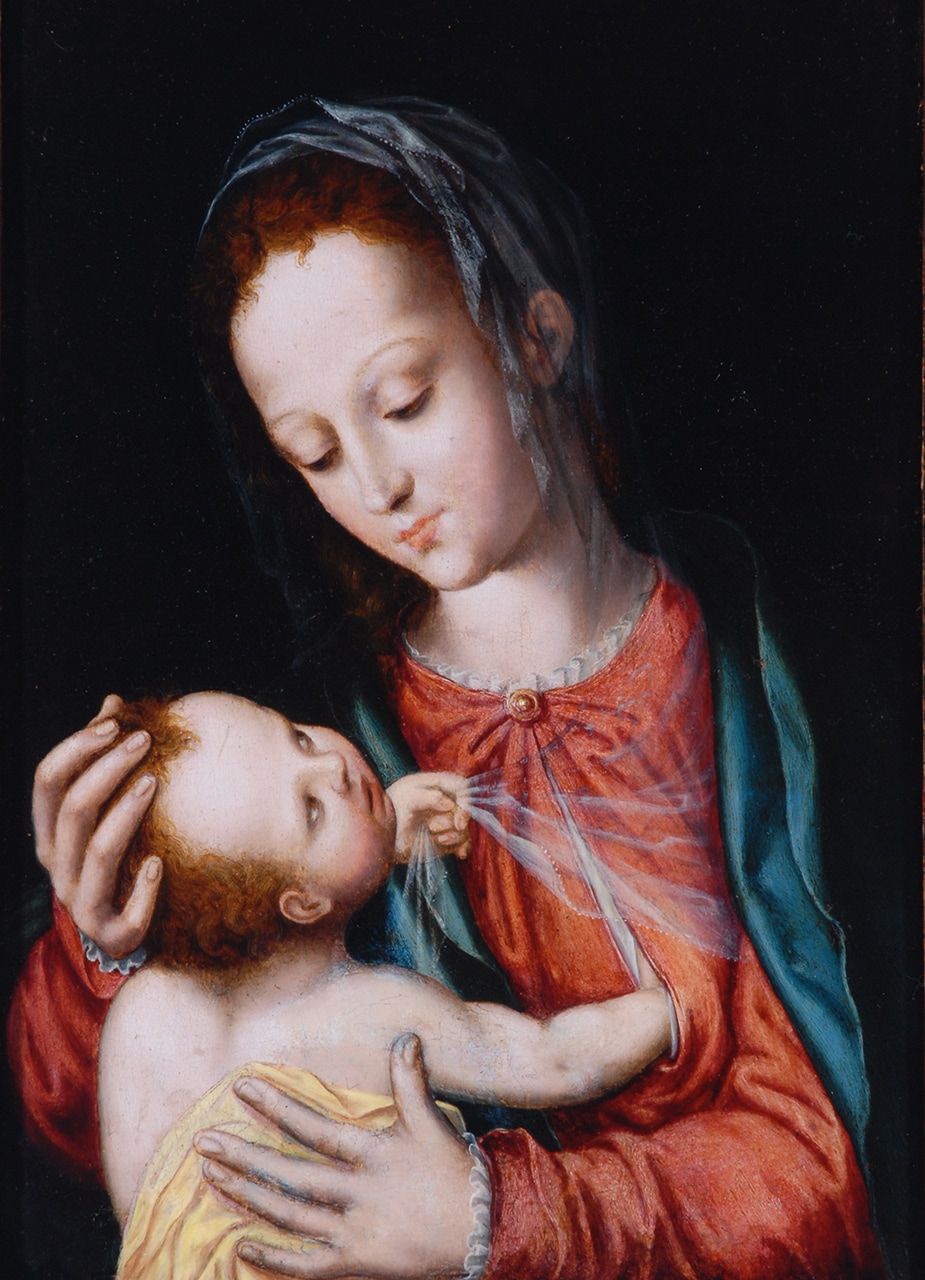
Spanish artists have adopted a range of approaches towards questions of love and devotion. In view of the centrality of Catholicism to Spanish culture, it is perhaps unsurprising that images of the Holy Family, or of Mother and Child, should occupy such a prominent position, serving as idealized, aspirational models for the devout to admire and emulate.
The same is true of treatments of death: while the Pietà captures the intensity of the Virgin’s grief for her freshly martyred son, The Tears of St Peter emphasizes the everlasting nature of human devotion and the need for repentance and contrition. Yet death is not so much the end of life as its beginning. Just as treatments of the resurrected Christ depict him in majesty in the afterlife, images of the saints underscore the importance of leading lives of Christian purity, and ultimately, of dying well.
Central to perceptions of virtue and reward is the Virgin, who, having been conceived without sin, is able to serve as a divine proxy, bestowing gifts and accolades on those who had striven in life to elevate and refine their devotions.
Madonna and Child
Circle of Luis de Morales, c. 1565–86.
The Bowes Museum, Barnard Castle, B.M.69.
These two compositions explore the intimacy of the relationship between the Christ Child and his parents, Mary and Joseph, revealing the close emotional and psychological bonds between them through the interplay of gazes and gestures. The artist close to Luis de Morales focuses on the Virgin’s connection with the Infant, while Juan de Juanes emphasizes the roles of both parents. Such modestly sized oil paintings were popular in sixteenth-century Spain and are likely to have been intended for private devotion rather than display in churches or religious houses.
Read the commentaryThe Holy Family
Juan de Juanes, c. 1535.
The Spanish Gallery, Bishop Auckland.
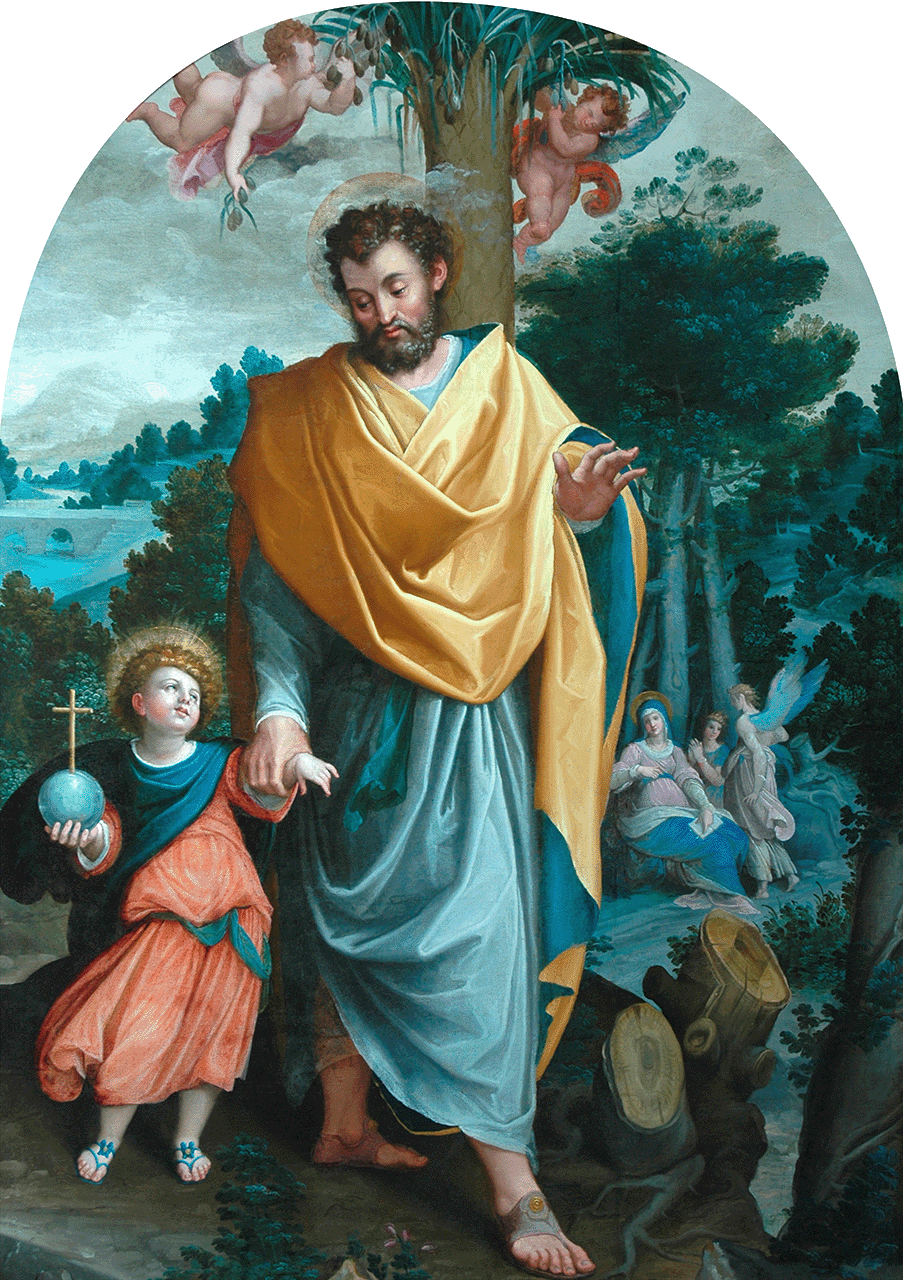
St Joseph Leading the Infant Christ
Circle of Juan Sánchez Cotán, c. 1590–1603.
The Bowes Museum, Barnard Castle, B.M.69.
Read the commentary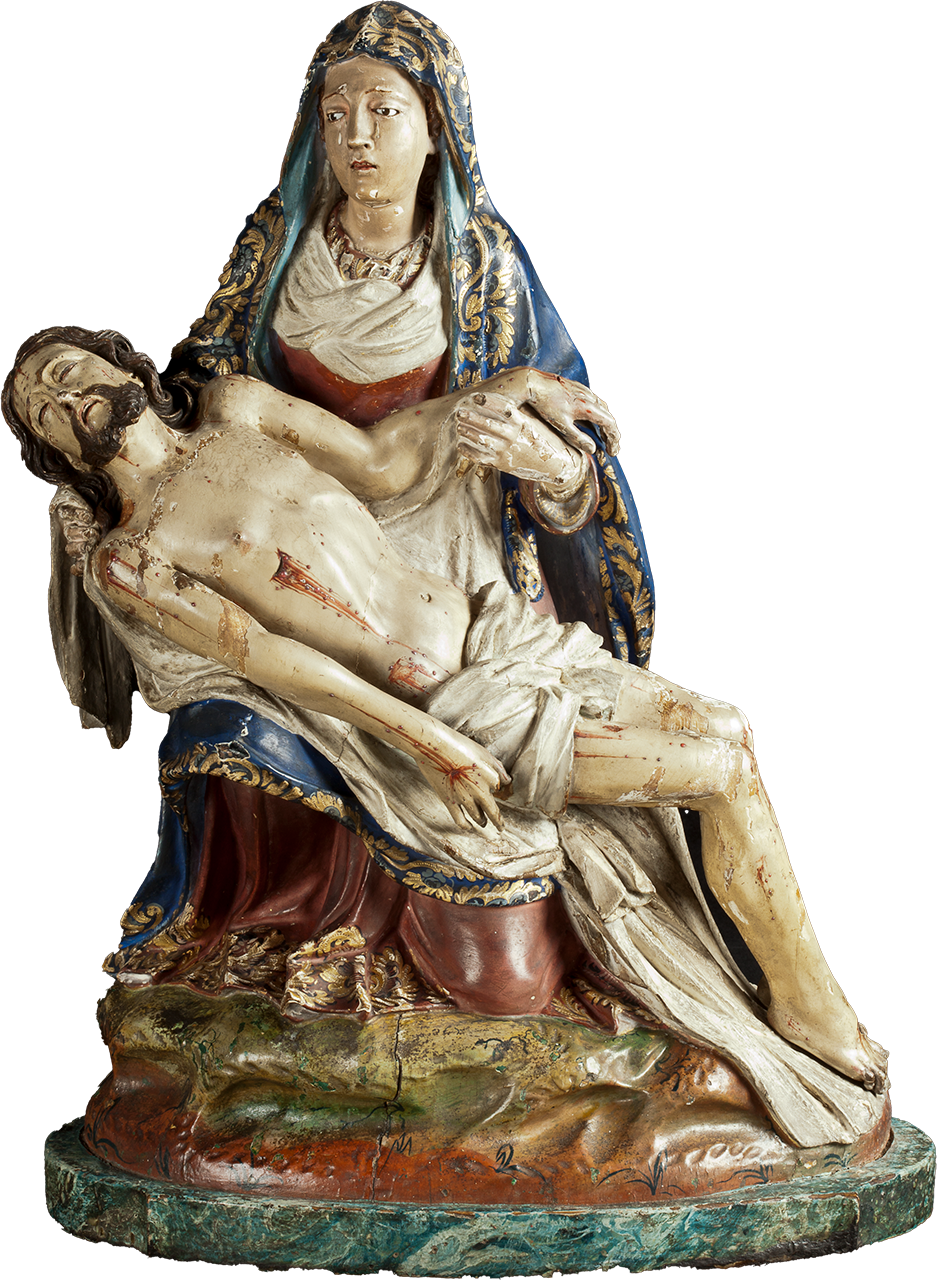
Pietà
Unknown, Seventeenth century.
Ushaw Historic House, Chapels & Gardens (previously known as Ushaw College).
Read the commentary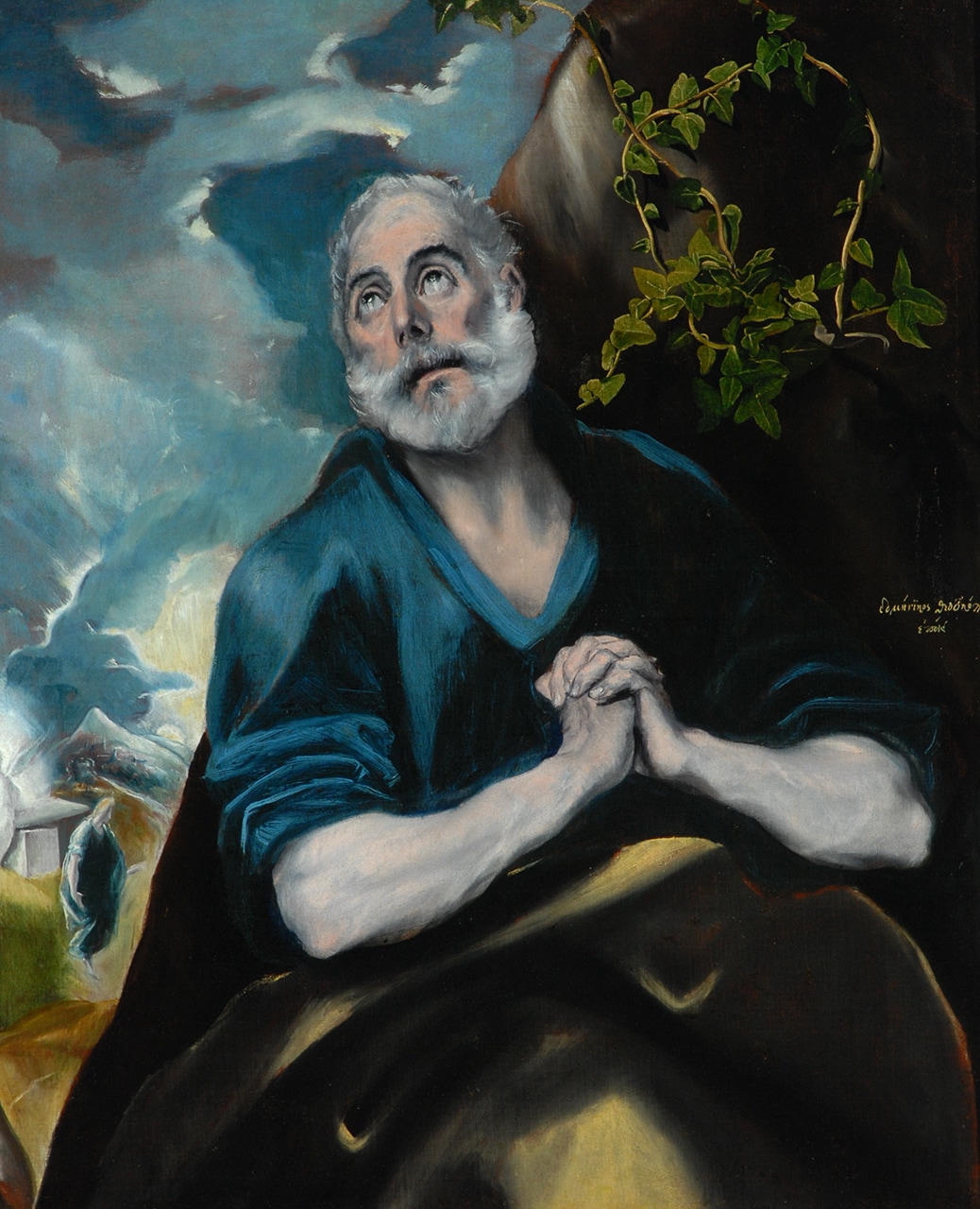
Tears of Saint Peter
Doménikos Theotokópoulos, 1580–89.
The Bowes Museum, Barnard Castle, B.M.69.
Read the commentary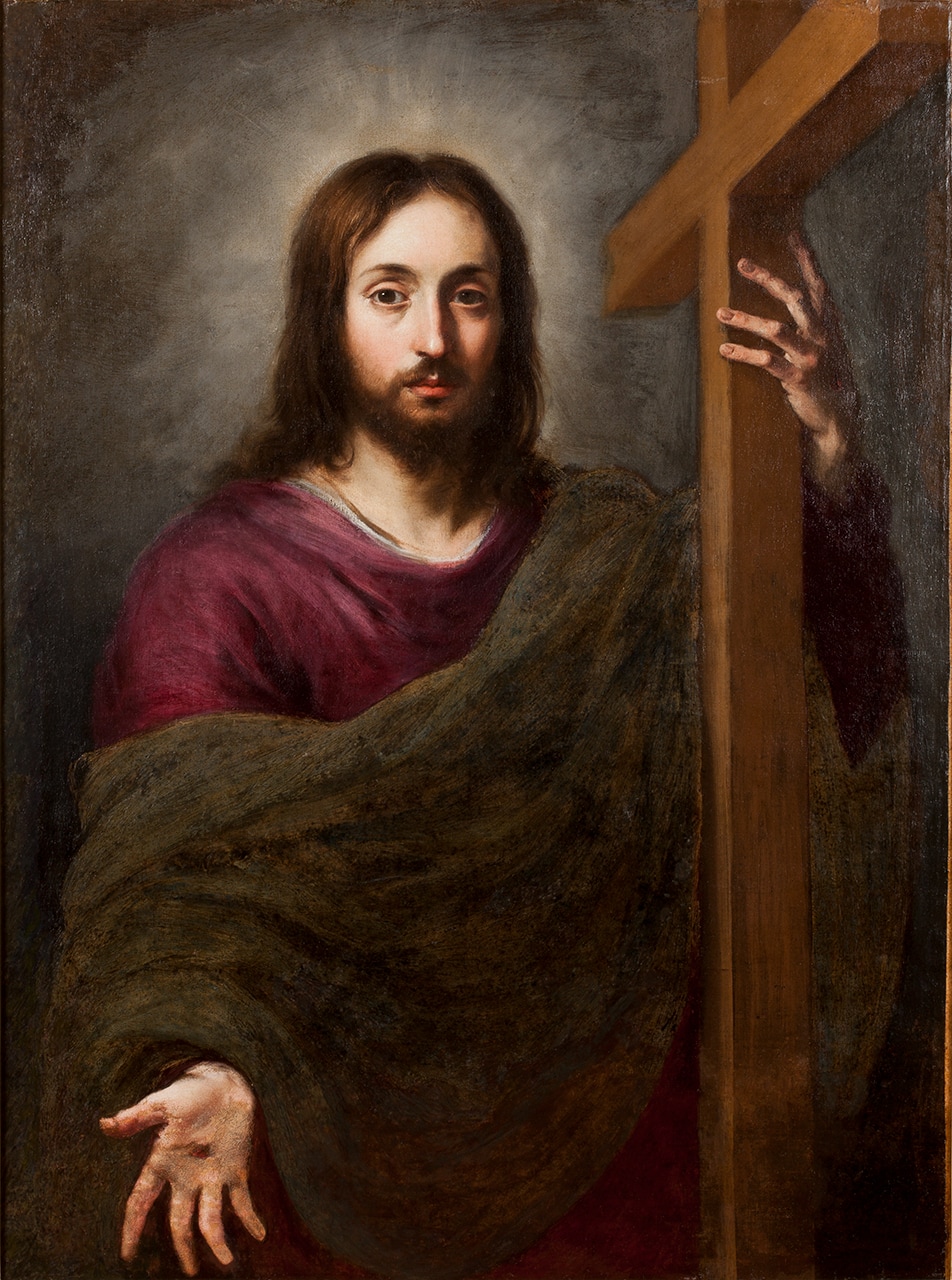
Christ the Saviour
Unknown artist active in Seville, Seventeenth century.
Raby Castle, Staindrop, Darlington.
Read the commentary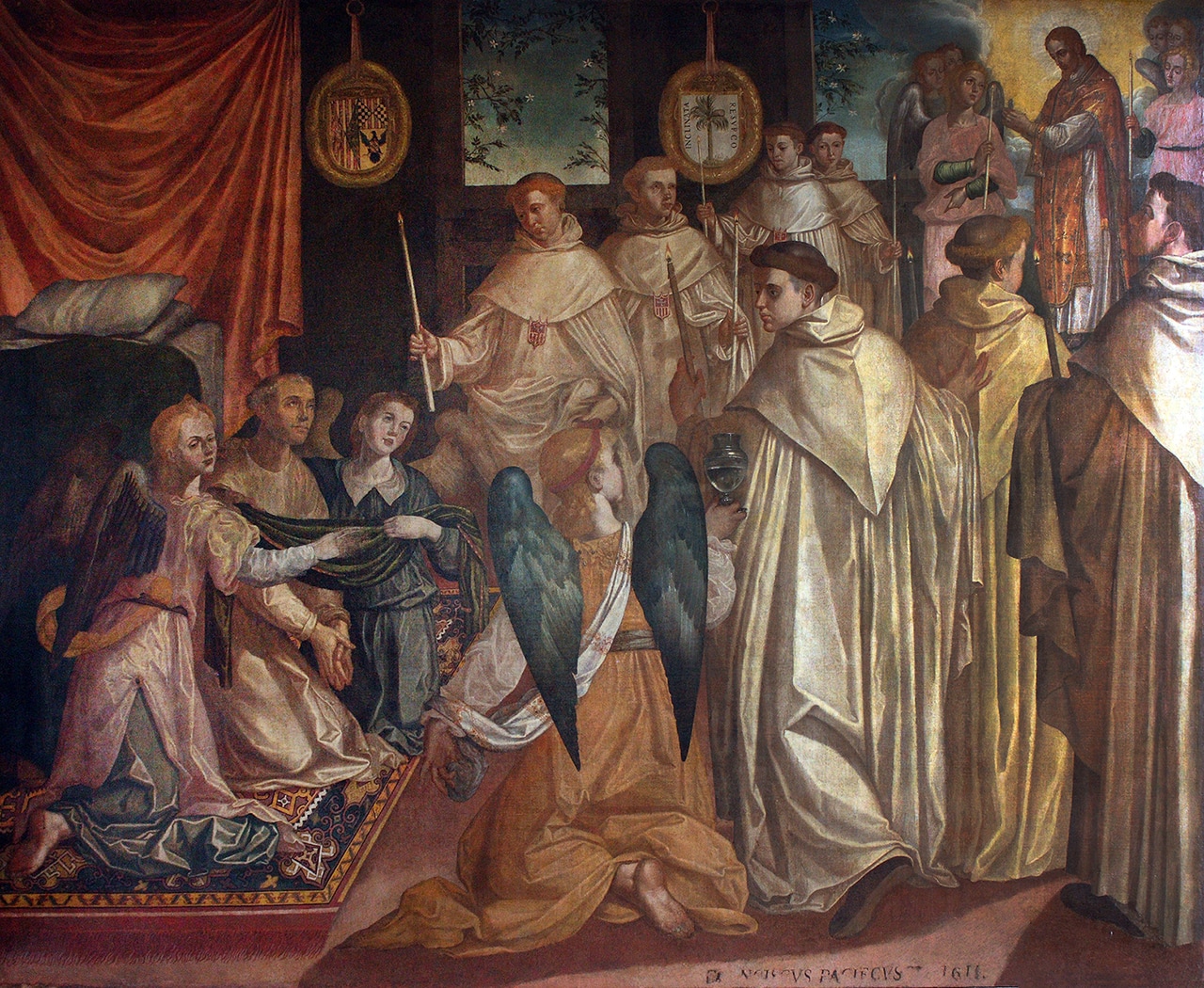
The Last Communion of Saint Raymond Nonnatus
Francisco Pacheco, 1611.
The Bowes Museum, Barnard Castle, B.M.69.
Read the commentary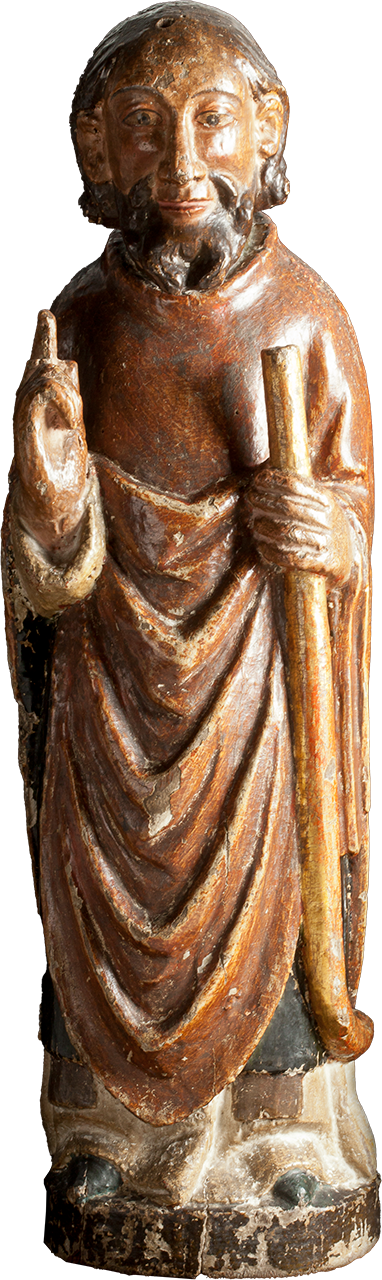
Saint James the Less
Anonymous, Thirteenth century.
Ushaw Historic House, Chapels & Gardens (previously known as Ushaw College).
Read the commentary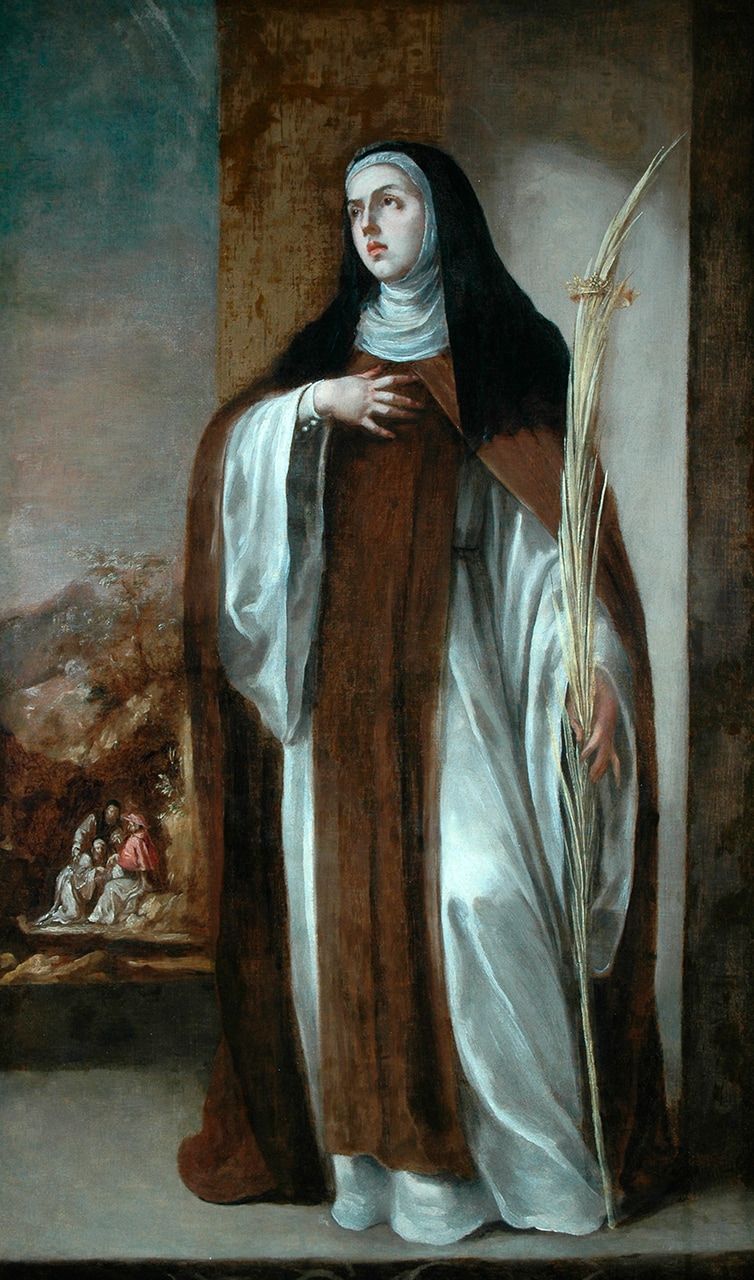
Saint Eustochium
Juan de Valdés Leal, 1656–57.
The Bowes Museum, Barnard Castle, B.M.69.
Read the commentary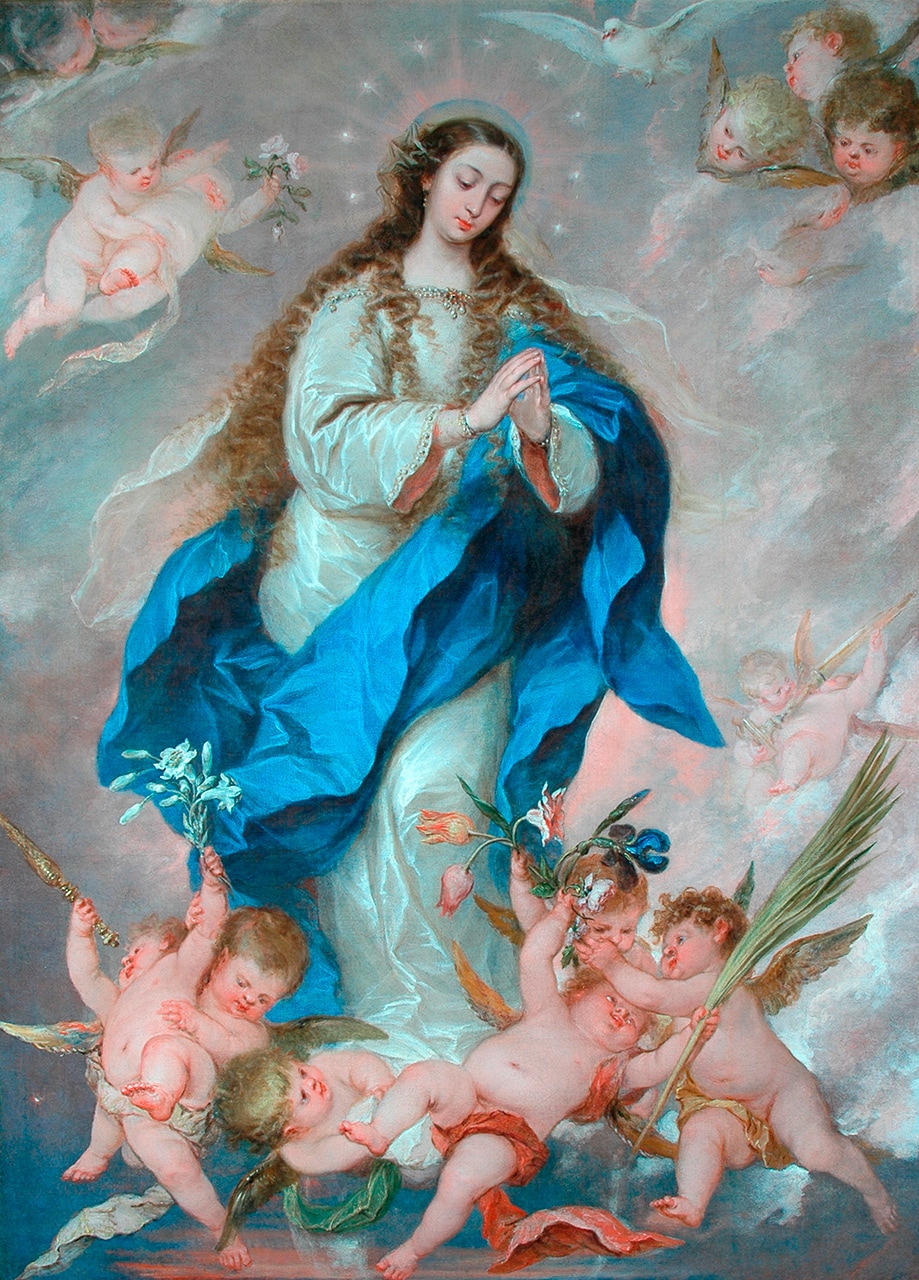
The Immaculate Conception
José Antolínez, 1668–70.
The Bowes Museum, Barnard Castle, B.M.69.
Read the commentary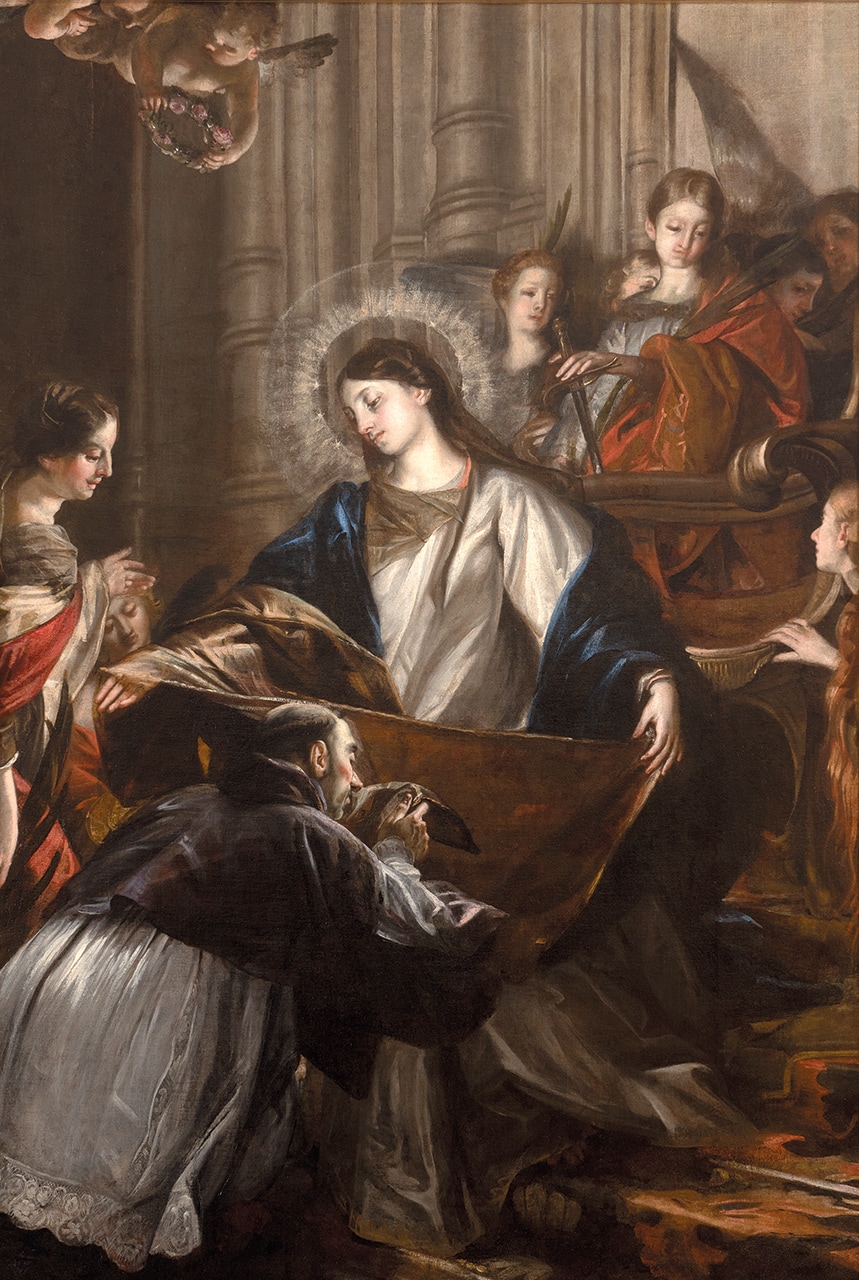
Saint Ildephonsus Receiving the Chasuble from the Virgin Mary
Juan Martín Cabezalero, Late 1660s.
The Spanish Gallery, Bishop Auckland.
Read the commentary