Andalucía: The dream of the South
Andalucía attracted more attention than any other region in Spain. The warm south was perceived as the essence of Spain, as exotic and alluring. Travellers were drawn to its vibrant traditions of flamenco, bullfighting, and Catholic rituals. They indulged in romantic musings on the region’s multi-layered history, which is imprinted in its architecture, including Roman remains, ancient mosques, and Islamic-style palaces, Mudéjar, Gothic, Renaissance and Baroque churches, convents, and monasteries. They were captivated by the scenic locations of towns, nestled in rugged mountains, fertile plains and along an enchanting coastline, which provides distant vistas of North Africa. For travellers arriving from the north, Córdoba was the first stop, where they admired the city’s picturesque location on the Guadalquivir river, its well-preserved Roman remains alongside the vast Mosque-Cathedral. This gallery is devoted to Córdoba and other sites, such as Ronda, Málaga and Jerez, which featured prominently on the itineraries of artists and writers. Seville and Granada were must-visit destinations, where travellers stayed for extended periods of time, and these will be addressed in galleries seven and eight.
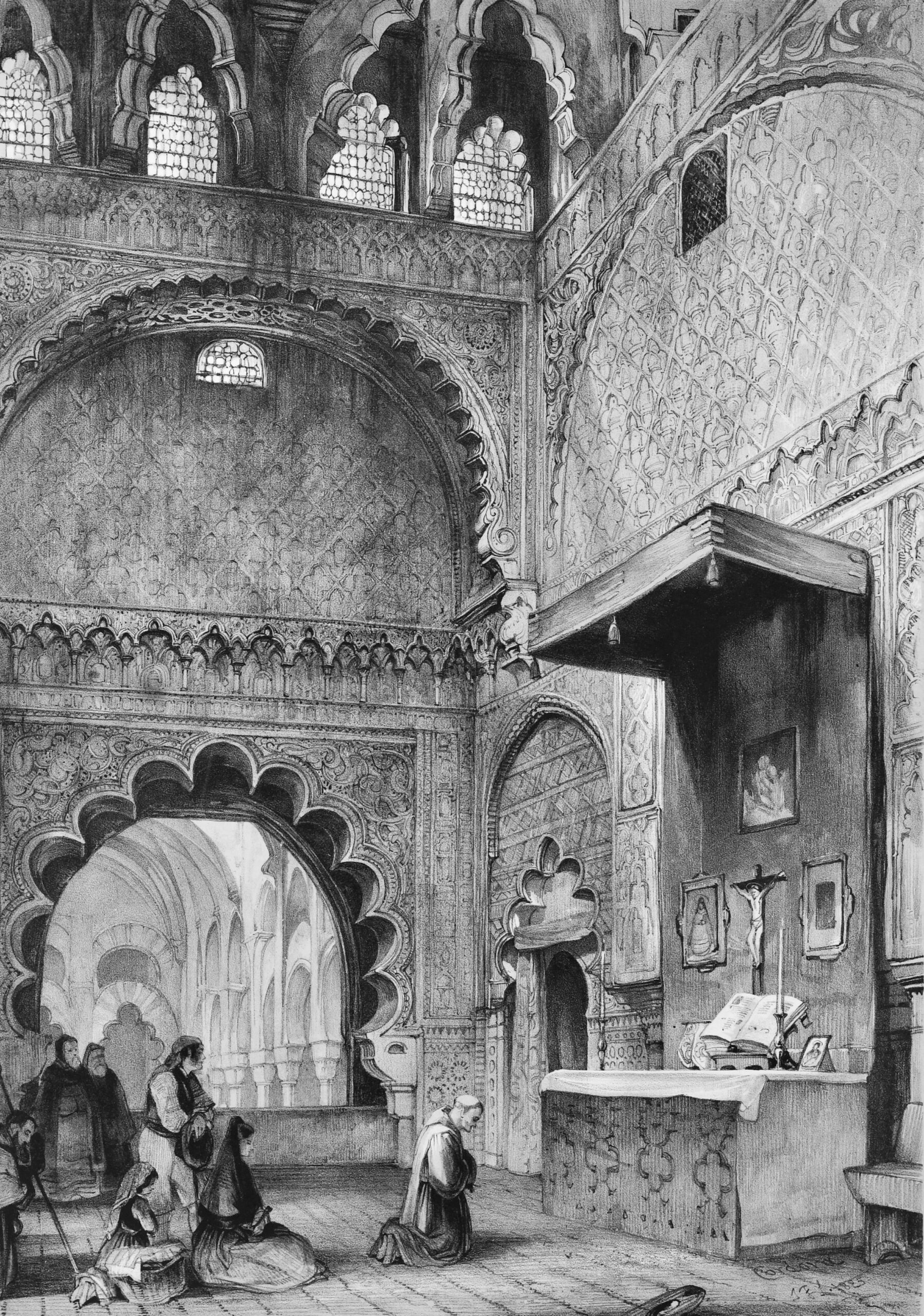
Chapel of the Villa Viciosa. Cordova
John Frederick Lewis, 1836.
Barry Ife Collection.
Read the commentary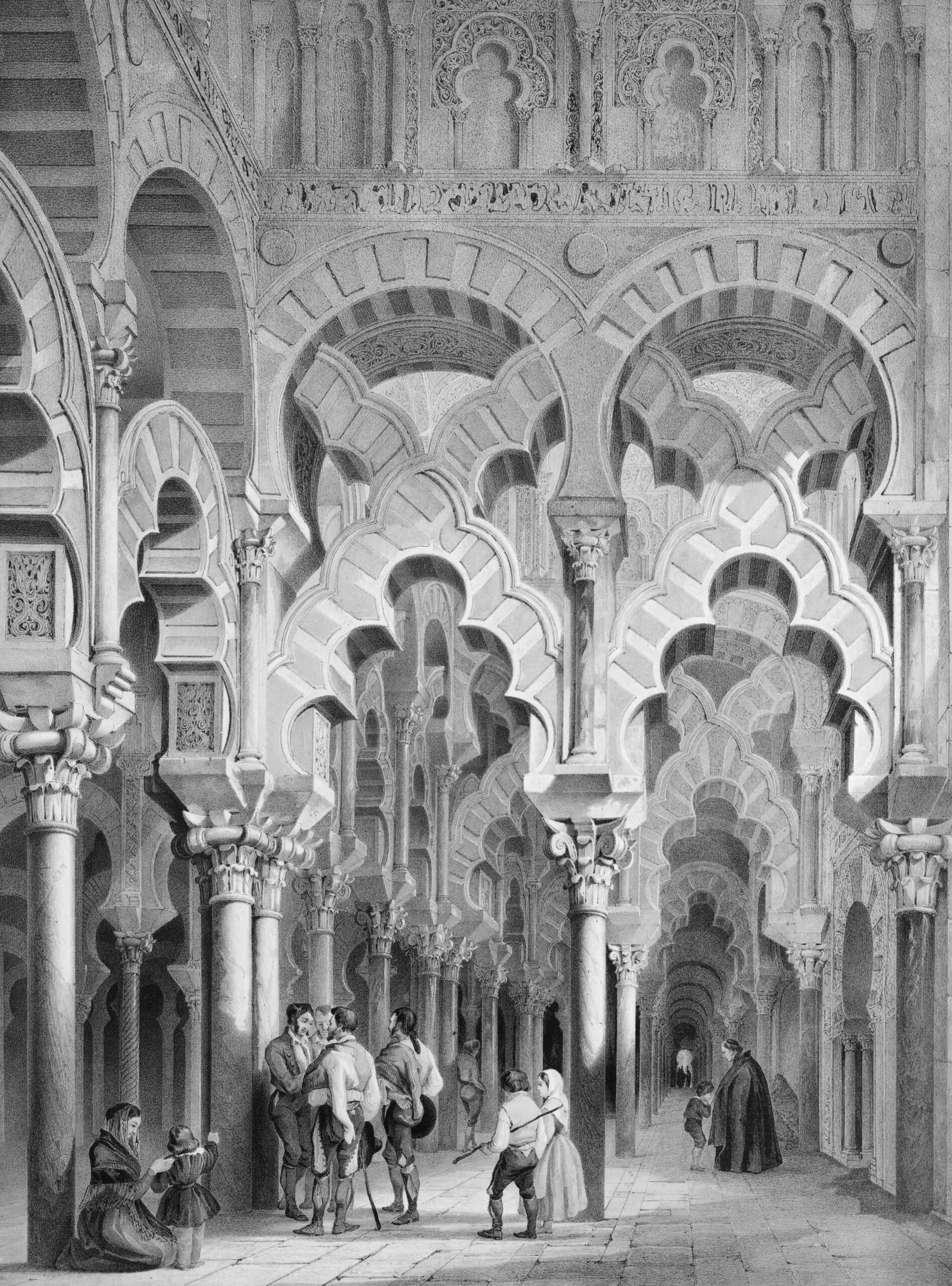
Capilla muzárabe de la catedral de Córdoba
Louis-Jules Arnaut (1814-1882) after Genaro Pérez Villaamil (1809-1854), 1842.
Barry Ife Collection.
Read the commentary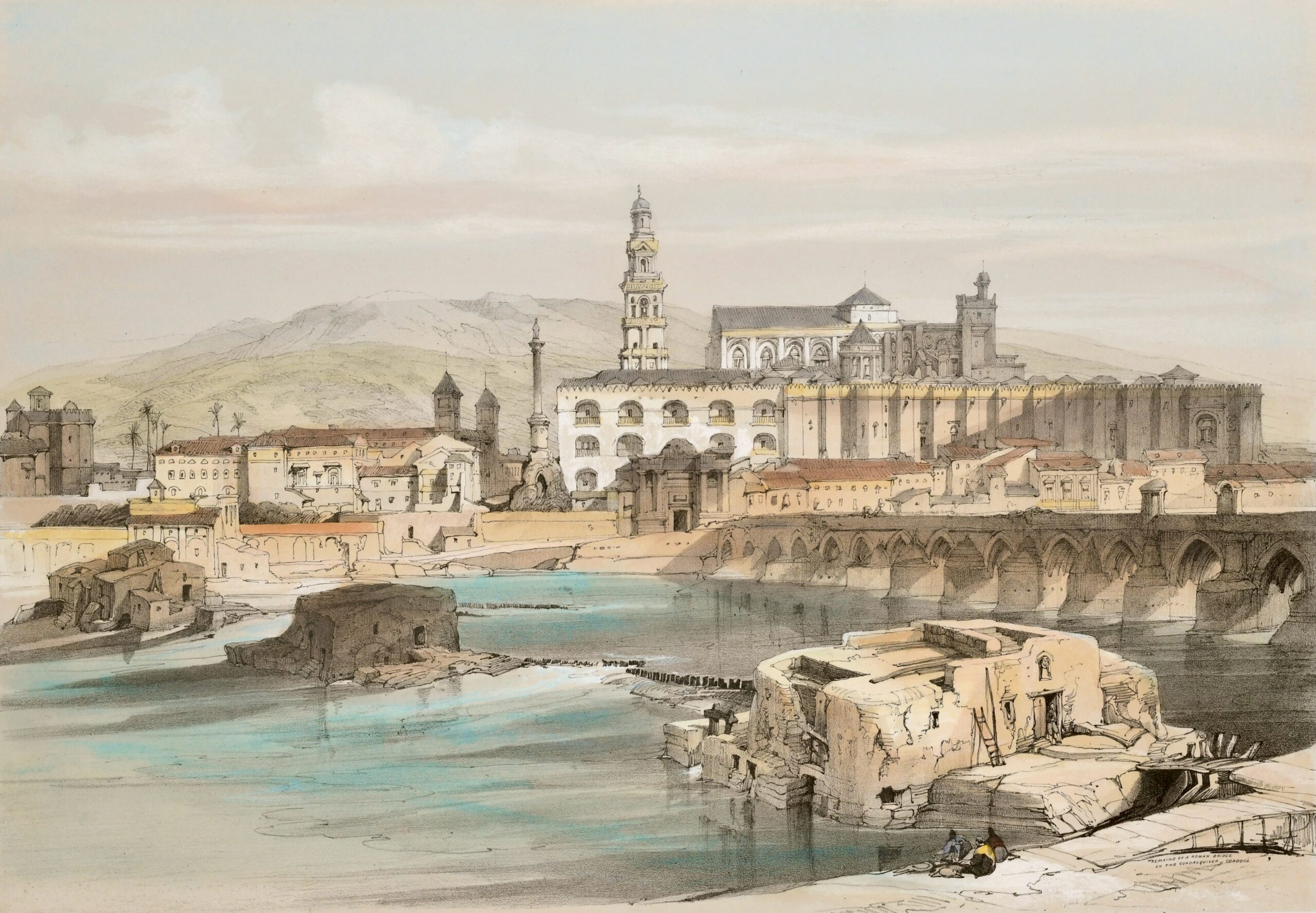
Mill and Bridge on the Guadalquivir, Cordova
Thomas Sidney Cooper (1803-1902) after David Roberts (1796-1864), 1837.
Barry Ife Collection.
Read the commentary![Cordova from the Calvary at the Gate of [Plasencia]](https://staging.zc-exhibitions.org/wp-content/uploads/2025/05/6.4-Vivian-Cordoba-from-the-Calvary-scaled.jpeg)
Cordova from the Calvary at the Gate of [Plasencia]
Louis Haghe (1806-1885) after David Roberts (1796-1864), 1838.
Barry Ife Collection.
Read the commentary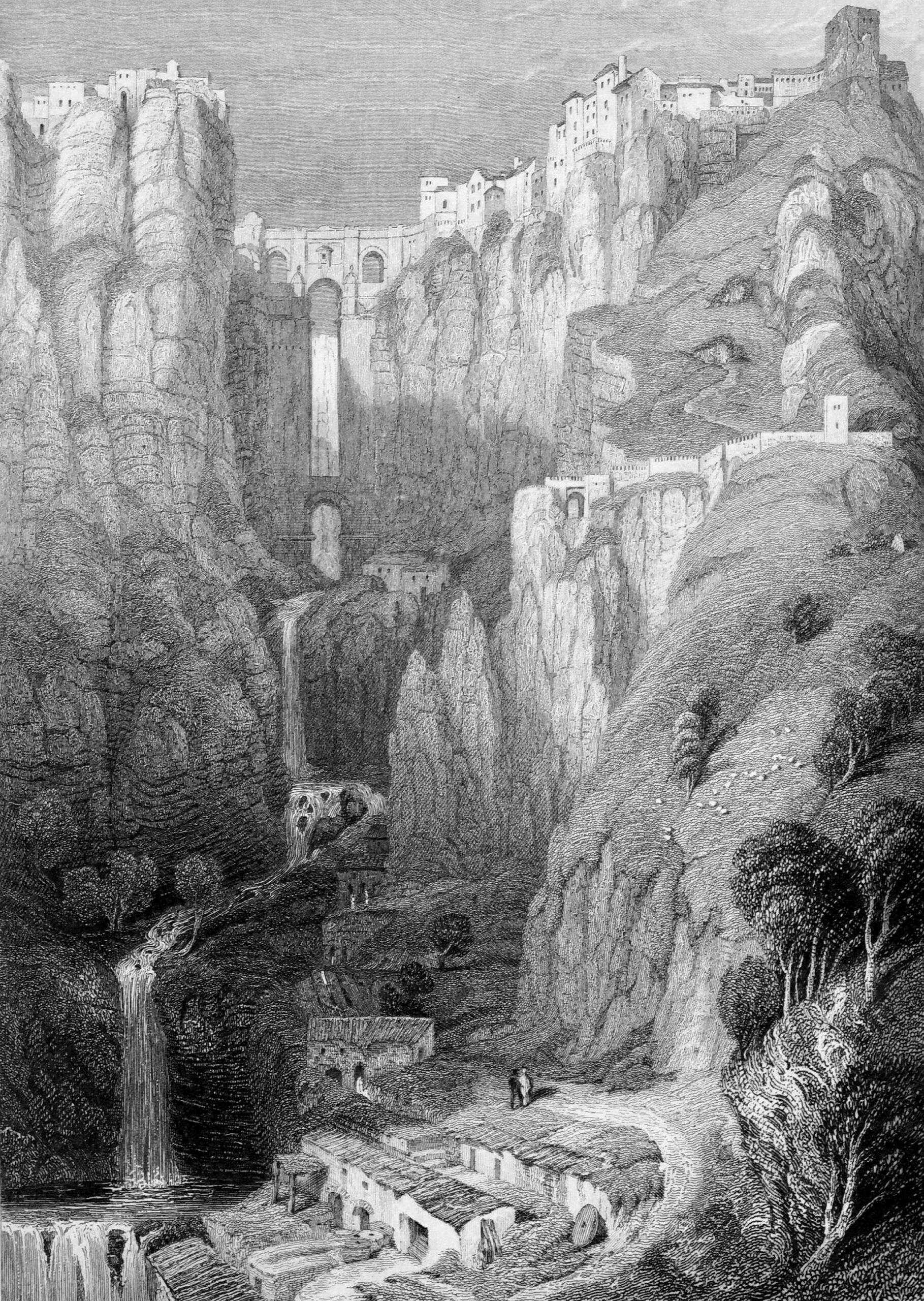
Bridge of Ronda
James Tibbits Willmore (1800-1796) after David Roberts (1796-1864), 1834.
Barry Ife Collection.
Read the commentary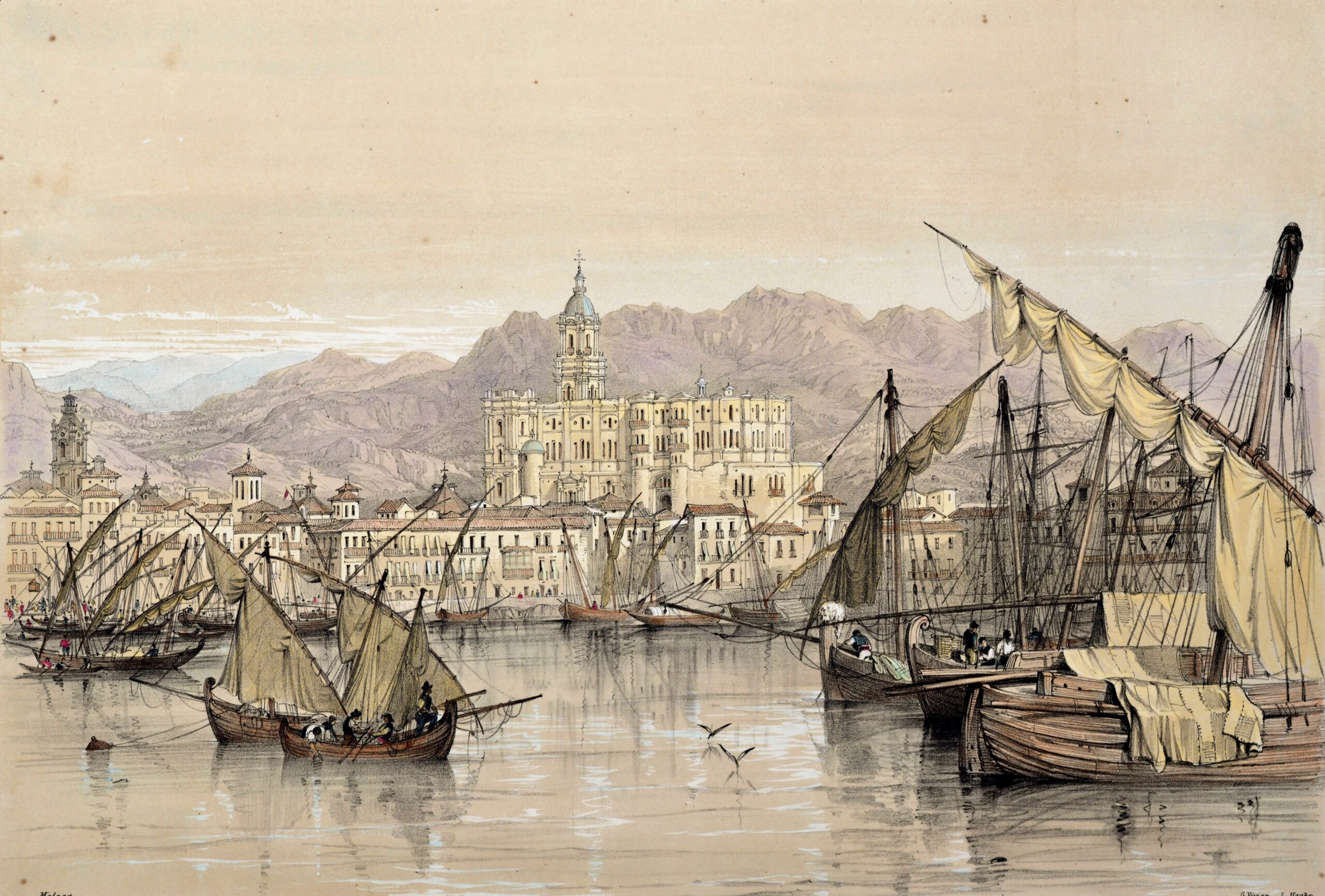
Malaga
Louis Haghe (1806-1885) after David Roberts (1796-1864), 1838.
Barry Ife Collection.
Read the commentary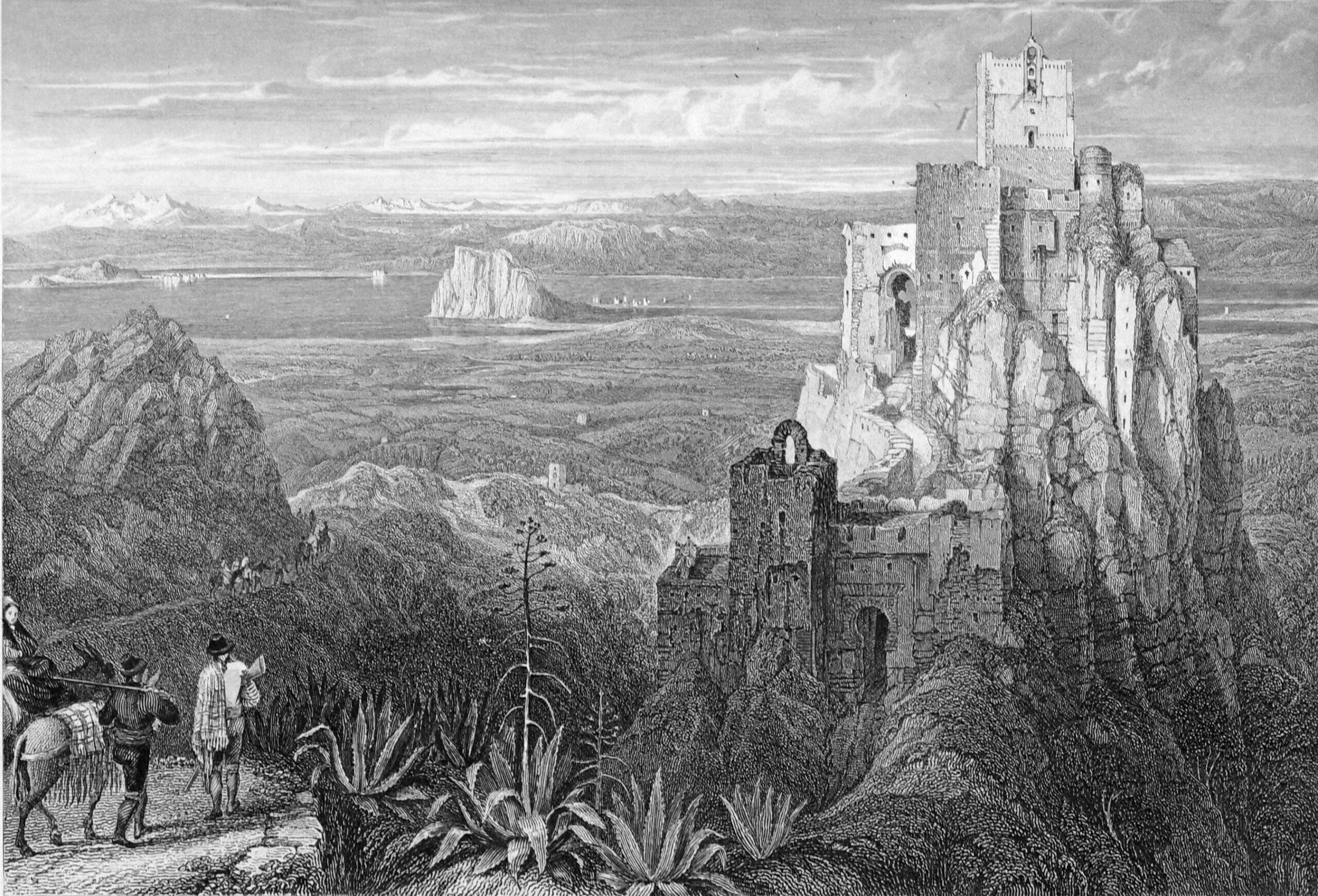
Gaucin. Looking towards Gibraltar and the coast of Barbary
John Charles Varrall (1795-1855) after David Roberts (1796-1864), 1835.
Barry Ife Collection.
Read the commentary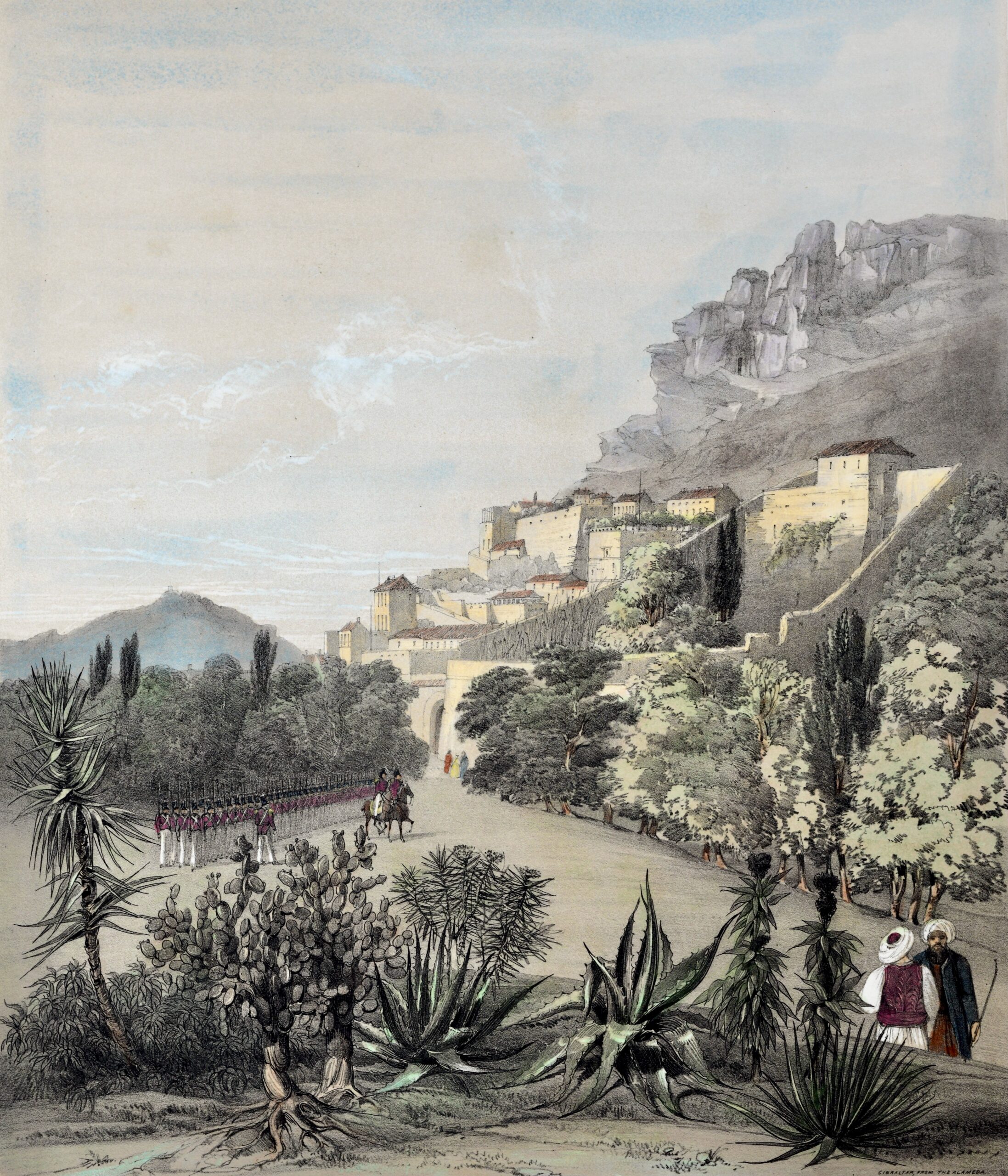
Gibraltar from the Alameda
Thomas Shotter Boys (1803-1874) after David Roberts (1796-1864) , 1838.
Barry Ife Collection.
Read the commentary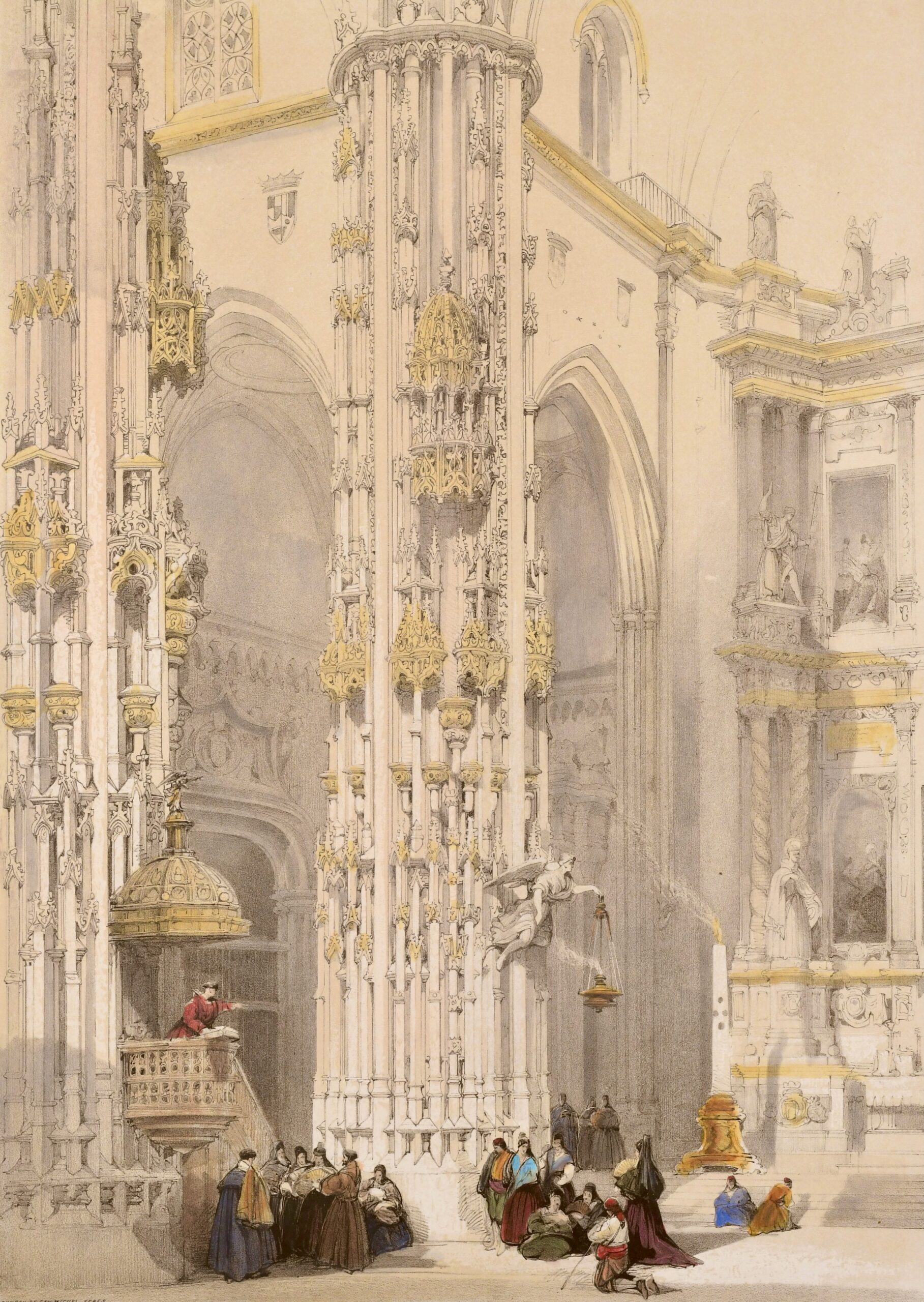
Church of San Miguel Xeres
Thomas Shotter Boys (1803-1874) after David Roberts (1796-1864) , 1837.
Barry Ife Collection.
Read the commentary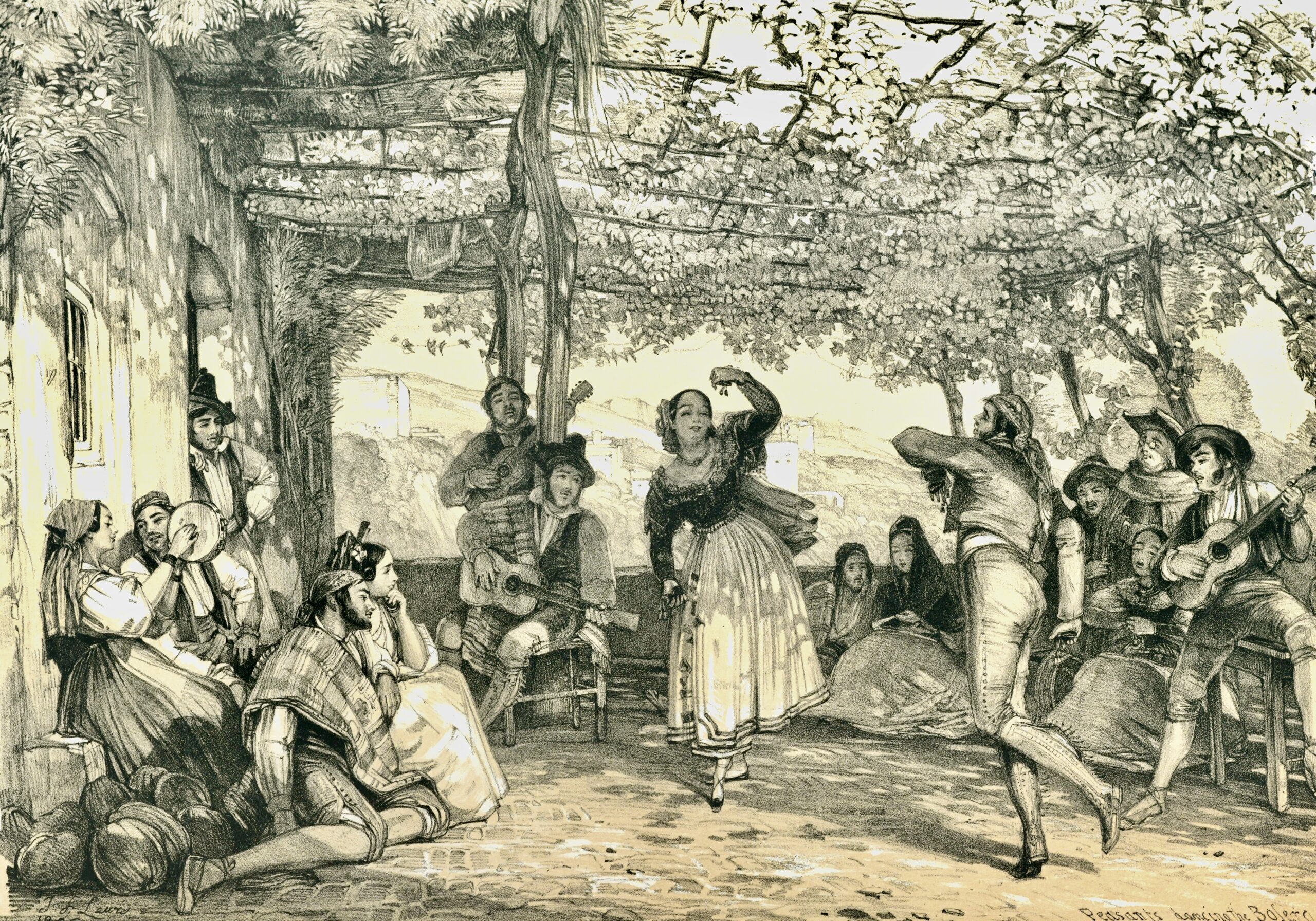
Spanish Peasants dancing the Bolero
John Frederick Lewis, 1836.
Barry Ife Collection.
Plate 1, Frontispiece, from John Frederick Lewis, Sketches of Spain and Spanish character made during his tour in that country in the years 1833-4, London: F G Moon [1836]. Printer: Charles Joseph Hullmandel
Read the commentary