People and Places
Spanish artists engage in various ways with the ideals and the realities of places and the people who inhabit them. The works in this gallery are based on direct observation, the imagination, or a combination of both.
Several paintings relate to locations that were of major significance in the collective psyche of seventeenth-century Spain. Two of the most notable are Seville, the wealthiest and most cosmopolitan city of the time, and the Monastery of Montserrat, which houses one of the most venerated Marian statues of the Iberian Peninsula. Going beyond the mere recording of topographical reality, Spanish artists reflected the ideological and religious beliefs that shaped the identity of these places. Other paintings in this section demonstrate how artists found creative solutions for visualizing legendary ancient sites or imaginary places, which are only known through biblical and apocryphal accounts.
The portraits included here reveal different artistic approaches to fashioning the identities of high-ranking individuals in Spanish society. While mid-seventeenth-century artists placed emphasis on the sitter’s social status through clothing and accessories, those who were active in the late eighteenth focused on their expressions so as to capture their character.
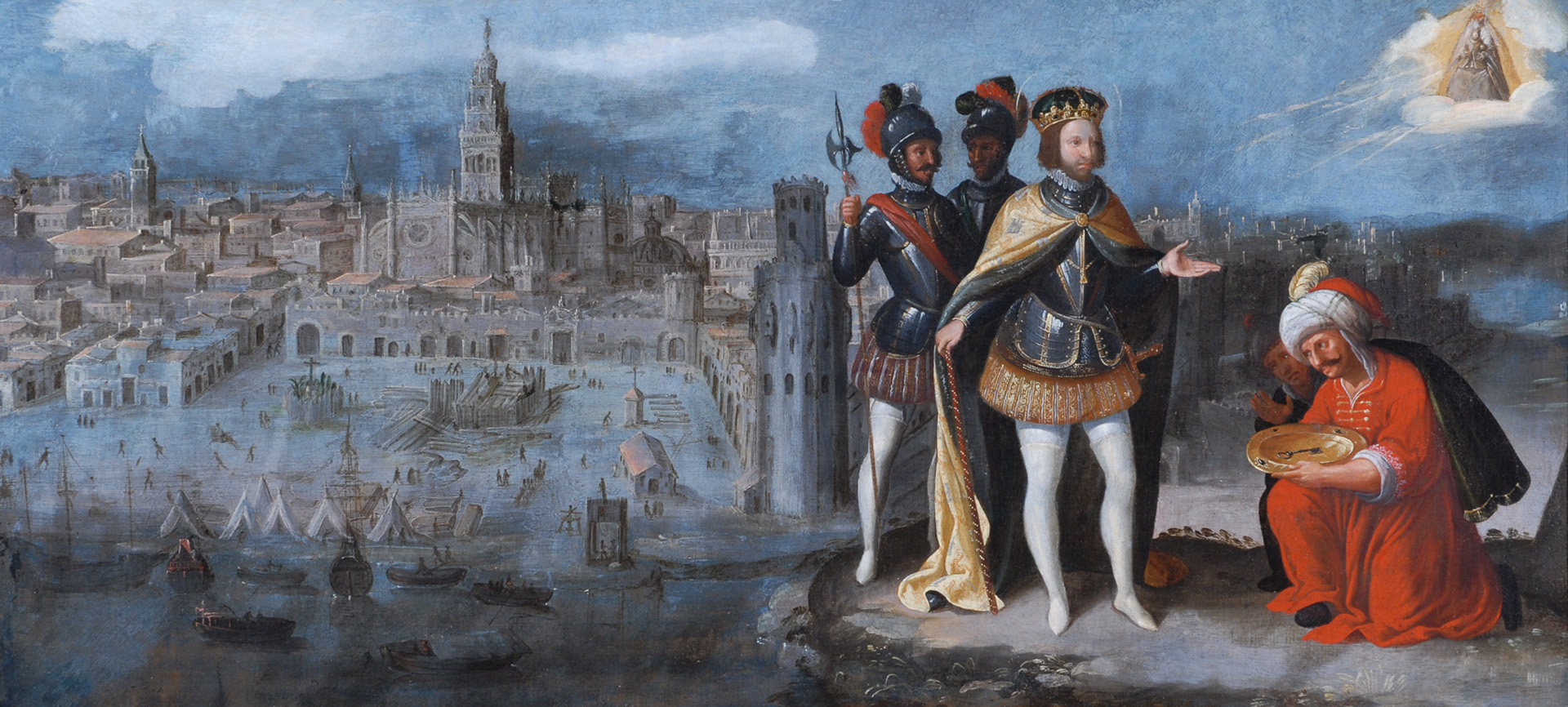
The Surrender of Seville to Ferdinand III, King of Castile and Leon
Circle of Francisco Pacheco, c. 1634–50.
The Bowes Museum, Barnard Castle, B.M.69.
Read the commentary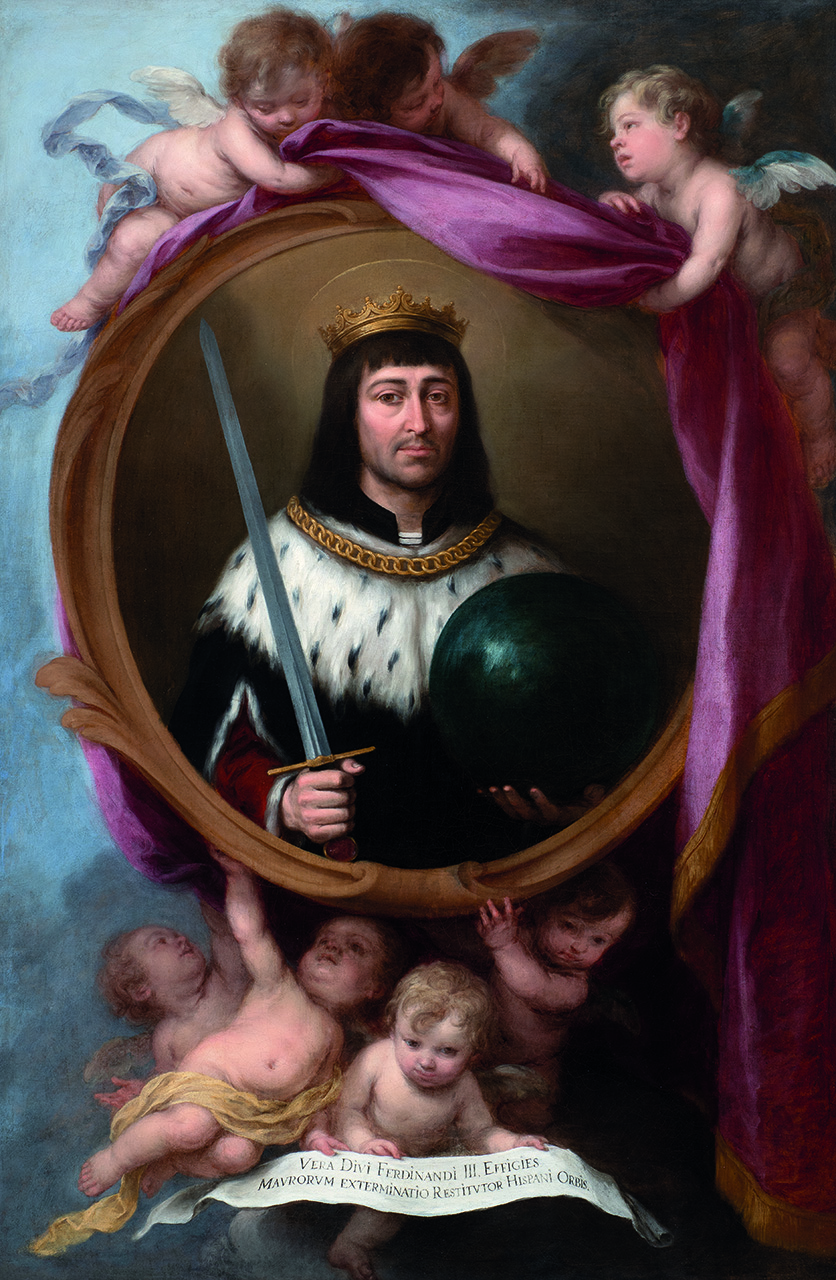
Saint Ferdinand
Bartolomé Esteban Murillo, c. 1671.
The Spanish Gallery, Bishop Auckland.
Read the commentary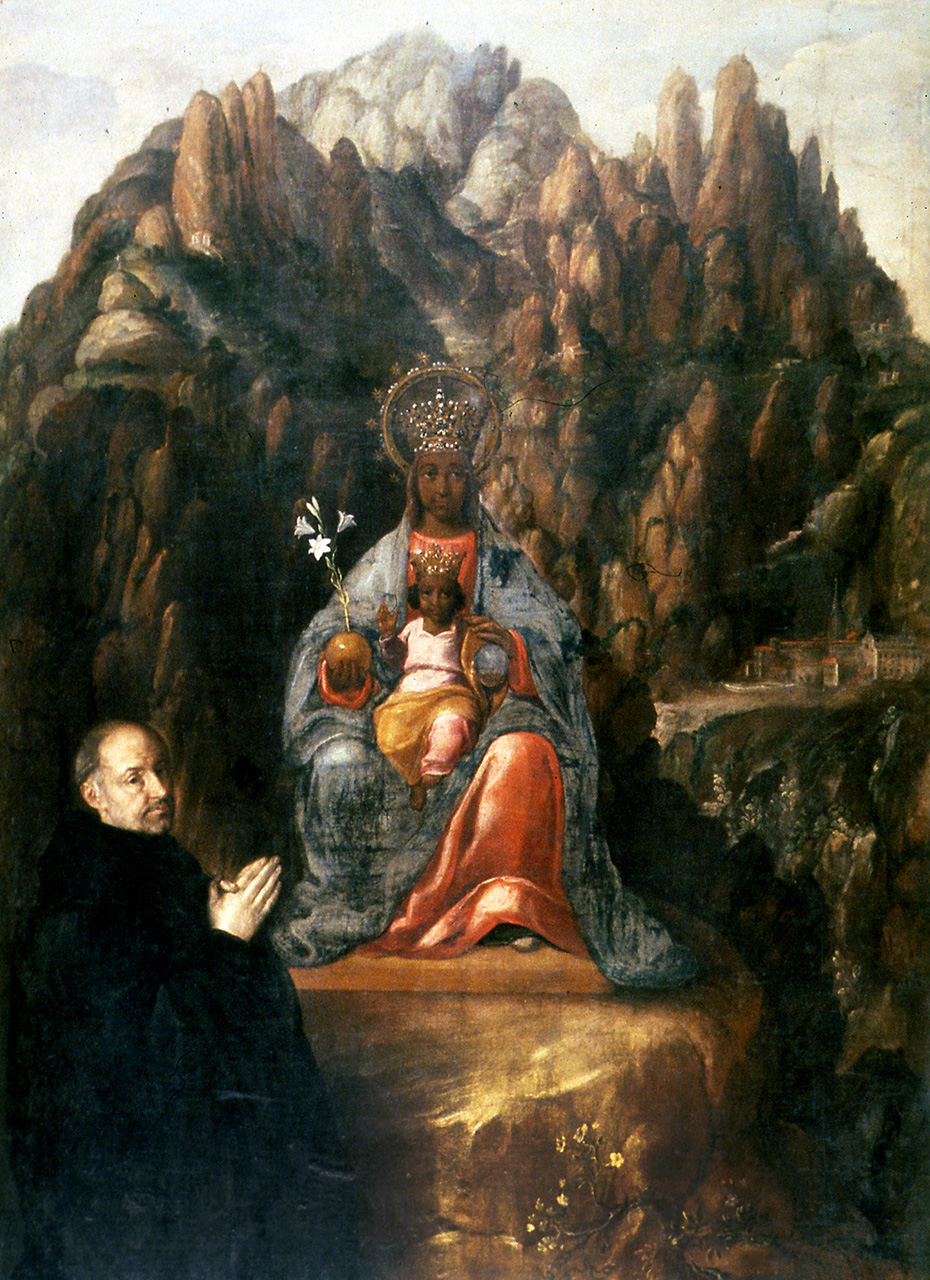
The Virgin of Montserrat with a Donor
Juan Andrés Rizi , c. 1645.
The Bowes Museum, Barnard Castle, B.M.69.
Read the commentary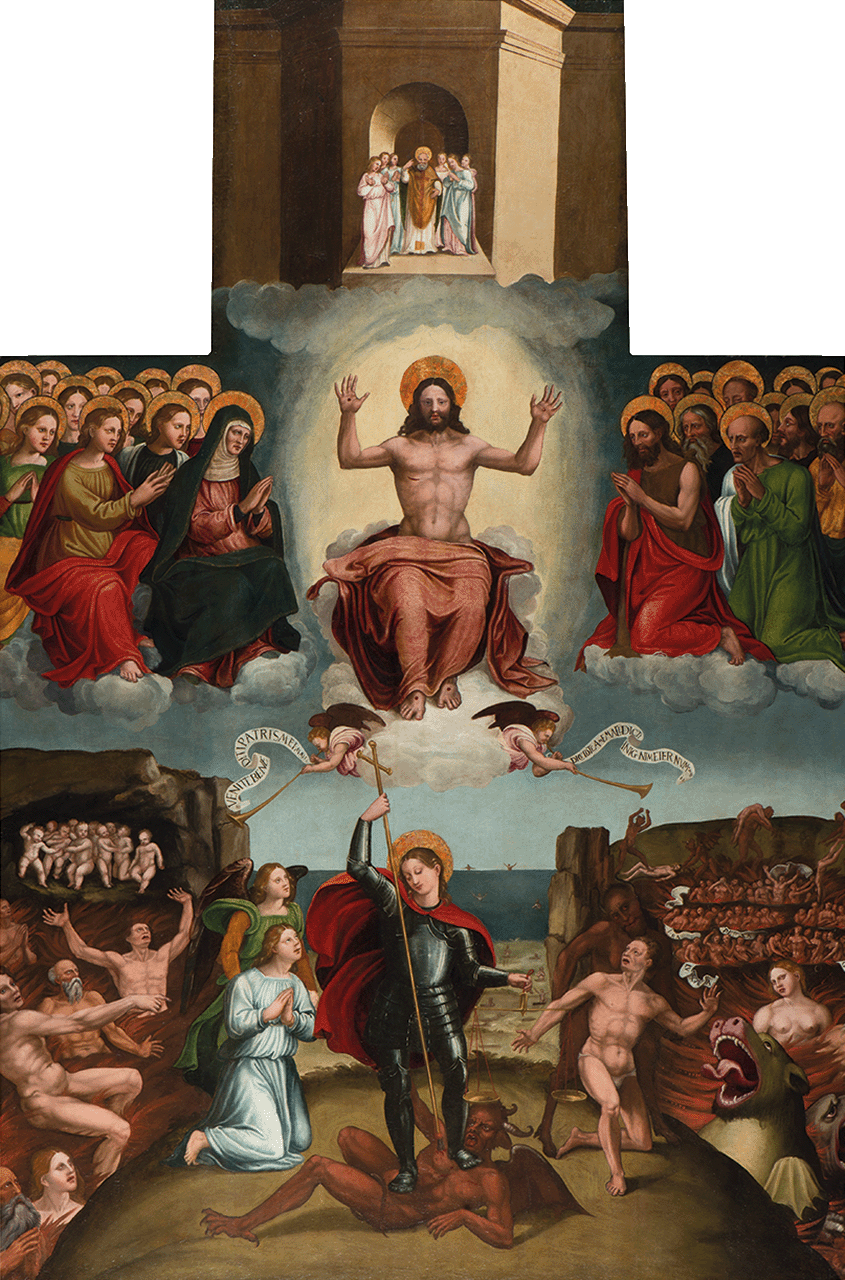
The Last Judgement with the Archangel Michael
The Master of Alzira, c. 1525–50.
The Spanish Gallery, Bishop Auckland.
Read the commentary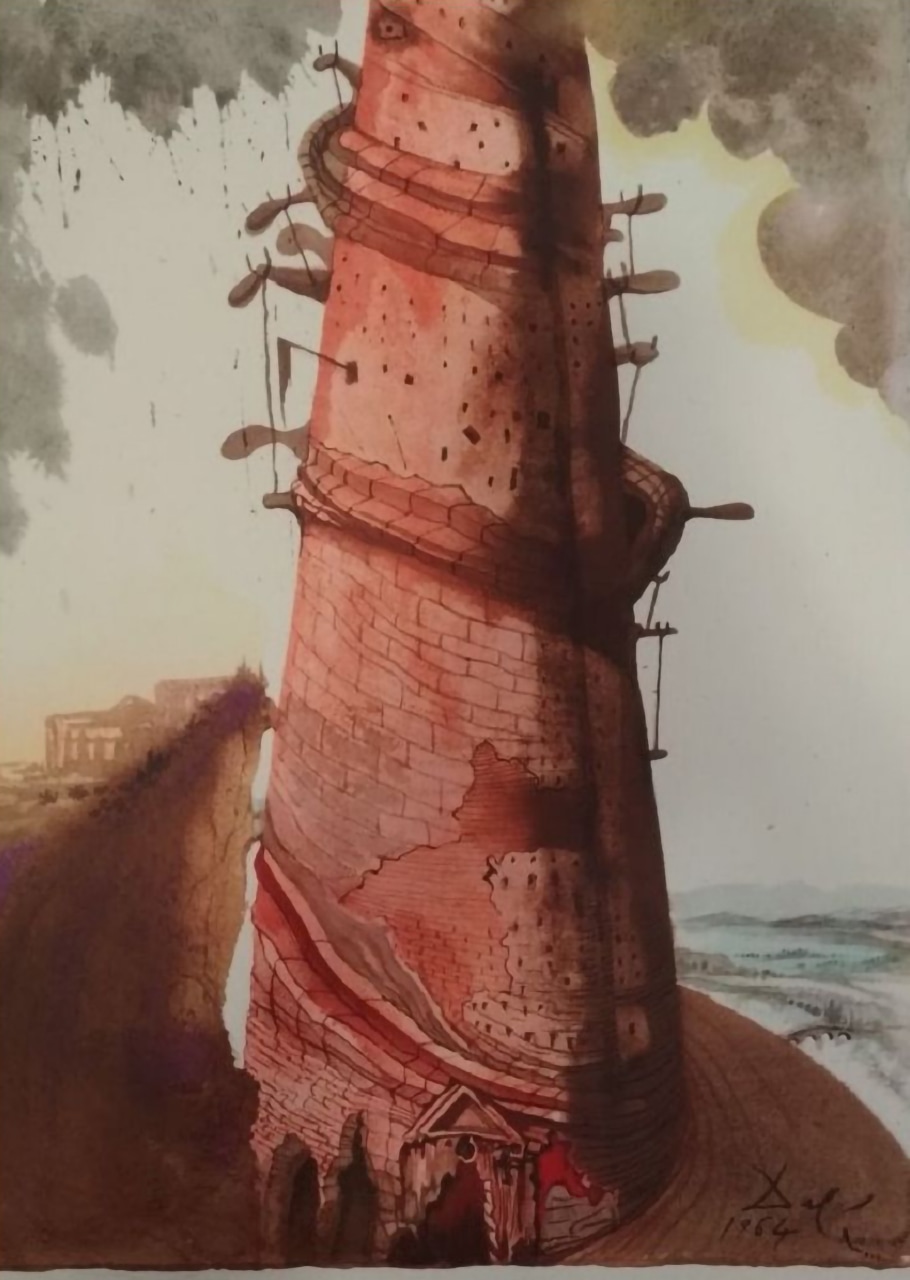
Turris Babel
Salvador Domingo Felipe Jacinto Dalí i Domènech, 1967.
St John’s College, Durham University.
© Salvador Dalí, Fundació Gala-Salvador Dalí, DACS 2022.
Read the commentary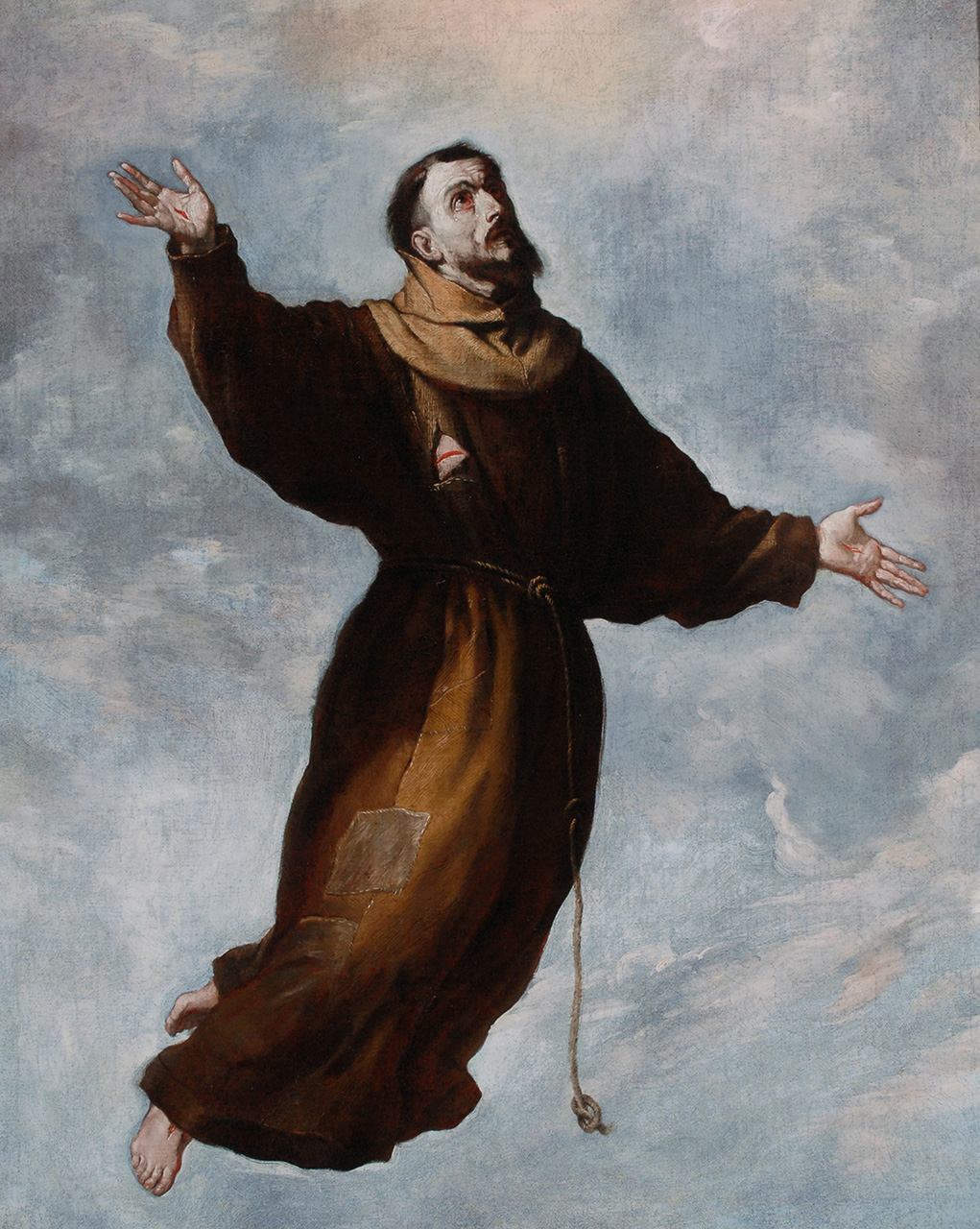
A Levitation of Saint Francis
After Jusepe de Ribera, c. 1630–50.
The Bowes Museum, Barnard Castle, B.M.69.
Read the commentary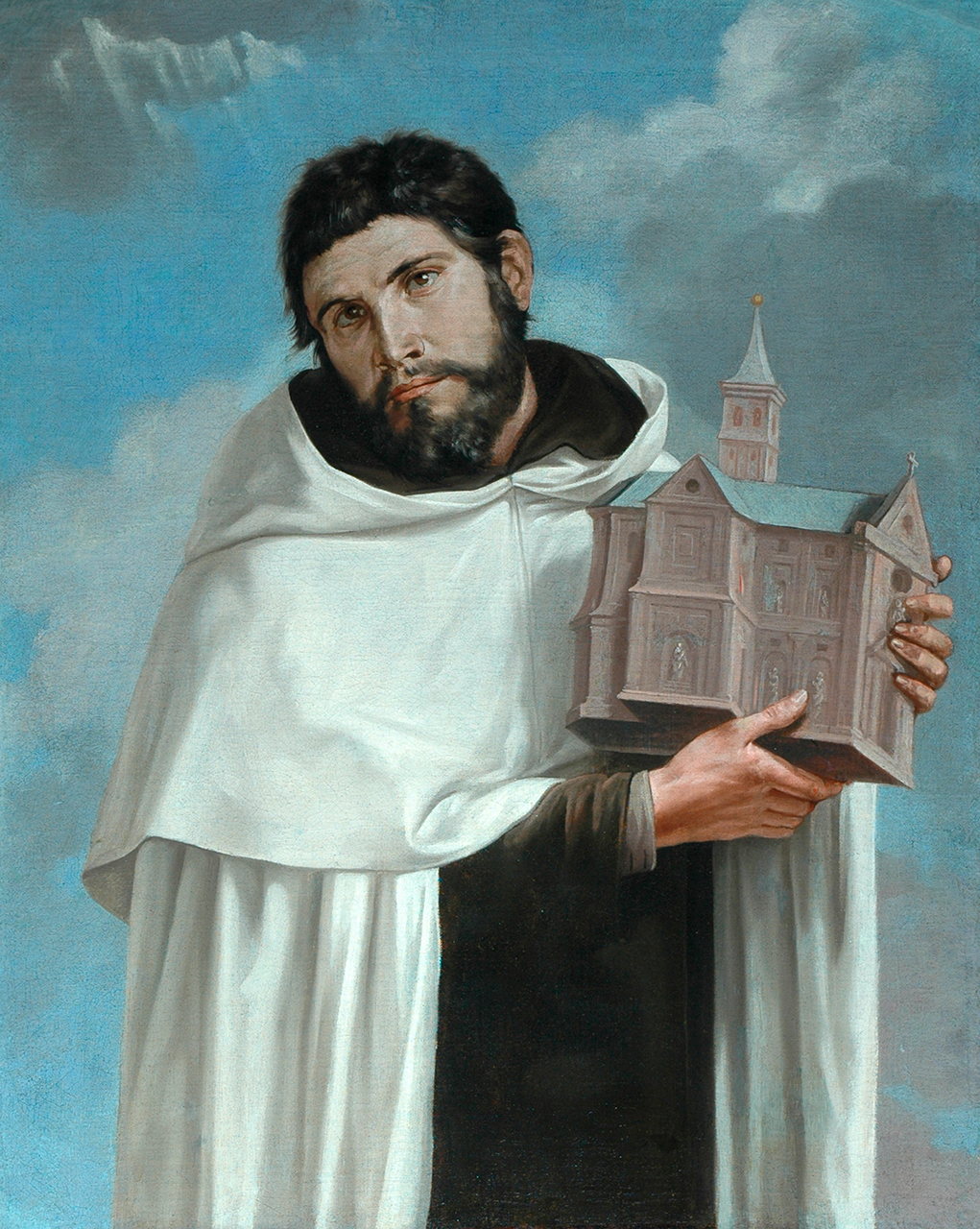
A Carmelite
Fray Juan Bautista Maíno, 1620–25.
The Bowes Museum, Barnard Castle, B.M.69.
Read the commentary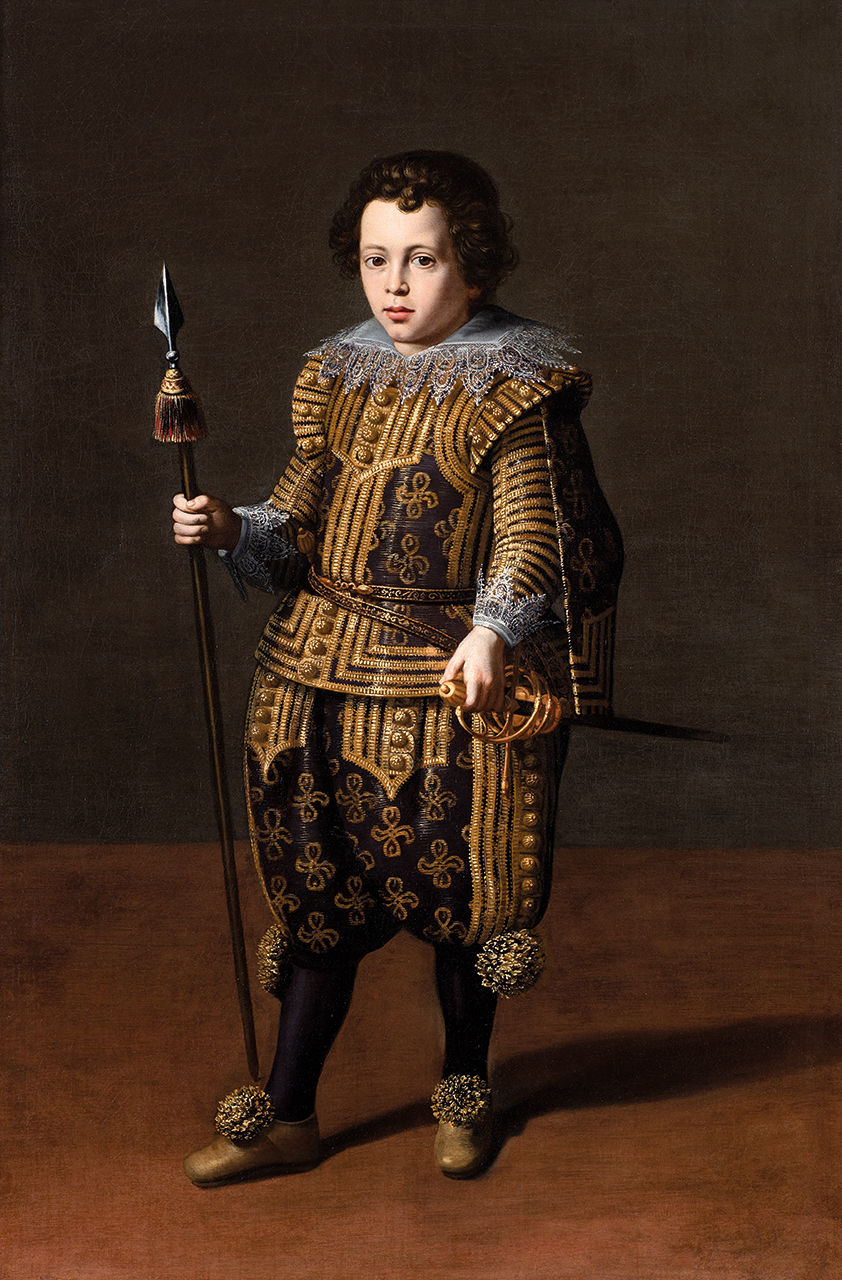
Portrait of a Young Boy Holding a Lance
Juan van der Hamen y León, c. 1620–30.
The Spanish Gallery, Bishop Auckland.
Read the commentary
Portrait of Juan Antonio Meléndez Valdés
Francisco José de Goya y Lucientes, 1797.
The Bowes Museum, Barnard Castle, B.M.69.
Read the commentary