Power and Authority
Art was instrumental in fashioning an official image of majesty for the Spanish Habsburgs, who were the most powerful monarchs in the early modern period, ruling over vast territories in Europe, the Americas, and the Philippines.
They believed that they were appointed by God to rule and defend the Catholic Faith. In portraiture, the traditional royal attributes of sceptre and crown, common in other European contexts, are typically absent. Instead, royal authority is expressed through the naturalistic depiction of physiognomy and the direct, inscrutable gaze of the sitters, which gives them a superior and remote air. Male royals wear the insignia of the Order of the Golden Fleece, the quintessential identifier of the Habsburg dynasty.
As manifestations of soft power, royal portraits were displayed at court to remind visitors and courtiers of their might, but they also circulated in colonial territories, and were sent to other European courts in order to negotiate marriages and powerful alliances. In the devotional context, portraiture served as an effective vehicle for showing how eminent religious figures looked: biblical characters, popes, cardinals, nuns, monks, and saints. Artists either depicted their likeness in the form of a portrait or showed them in action in a narrative scene.
Whether working with secular or religious figures, what mattered most to the artists and their audiences was the concept of a ‘true likeness’. This did not simply constitute a descriptive image of a person but instead represented a powerful stand-in for the sacred or royal sitter, inspiring awe and devotion.
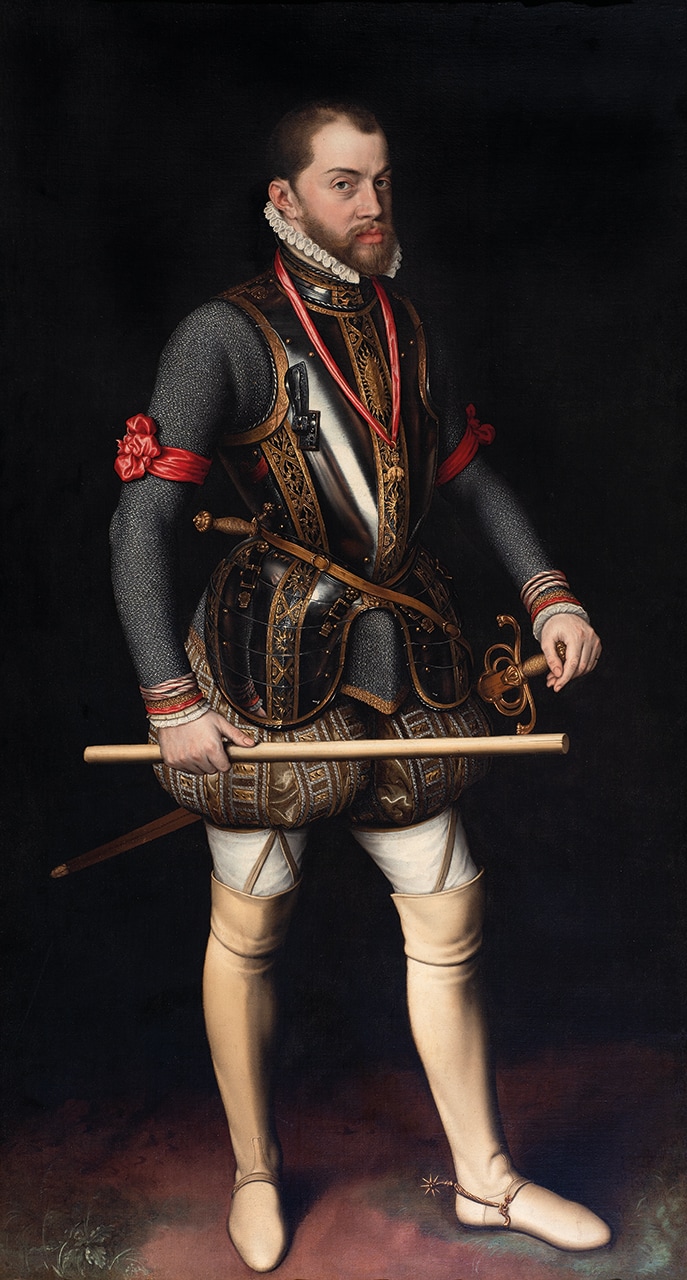
King Philip II of Spain
Workshop of Anthonis Mor, 1560–70.
The Spanish Gallery, Bishop Auckland.
Read the commentary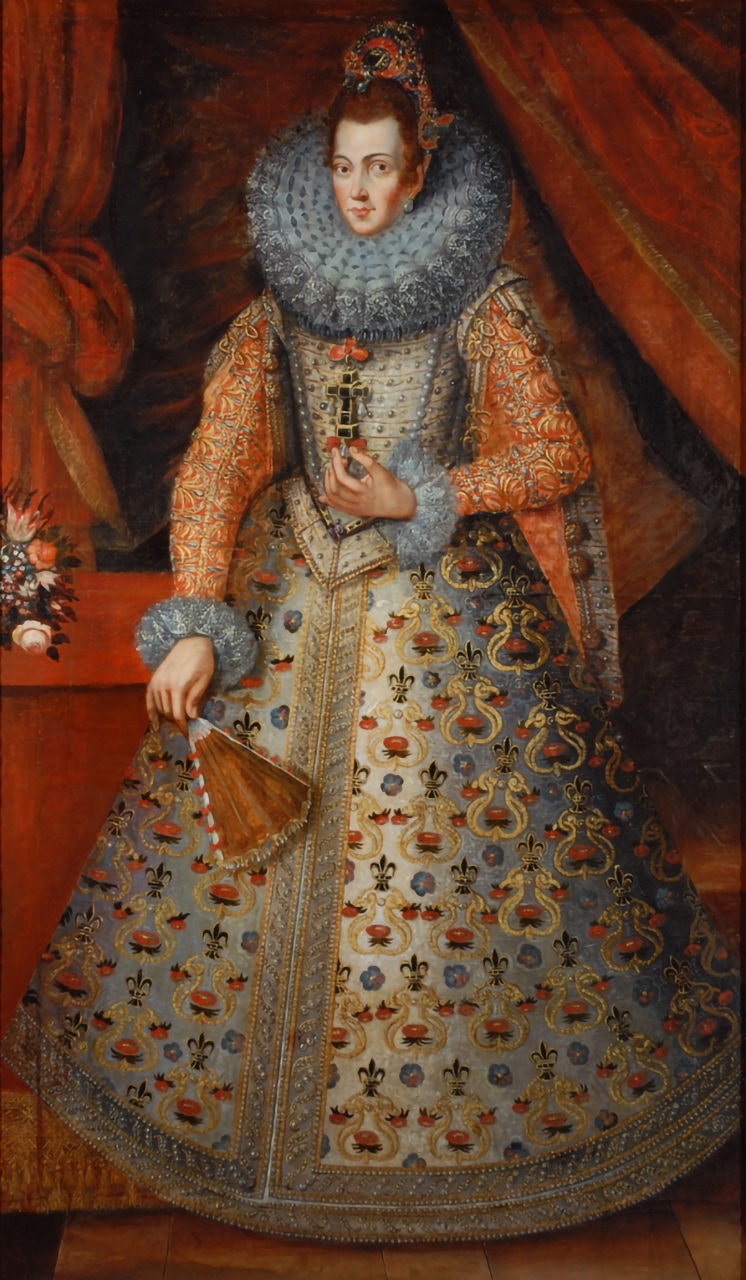
The Infanta Isabel Clara Eugenia, Governess of the Netherlands
Possibly after Juan Pantoja de la Cruz, c. 1650.
The Bowes Museum, Barnard Castle, B.M.69.
Read the commentary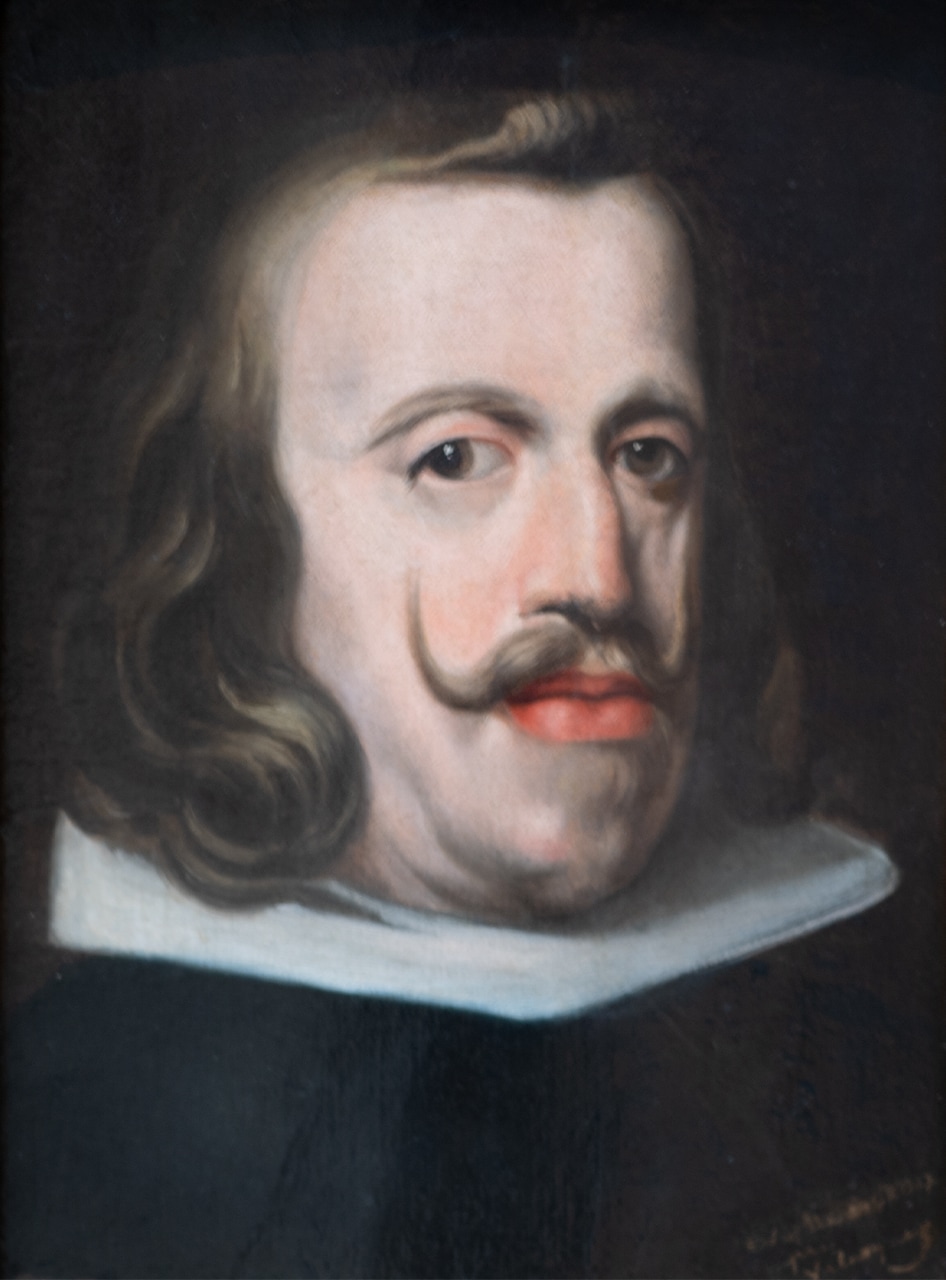
Portrait of Philip IV
Unknown artist, after Diego Rodríguez de Silva y Velázquez, Nineteenth century.
The Bowes Museum, Barnard Castle, B.M.69.
Read the commentary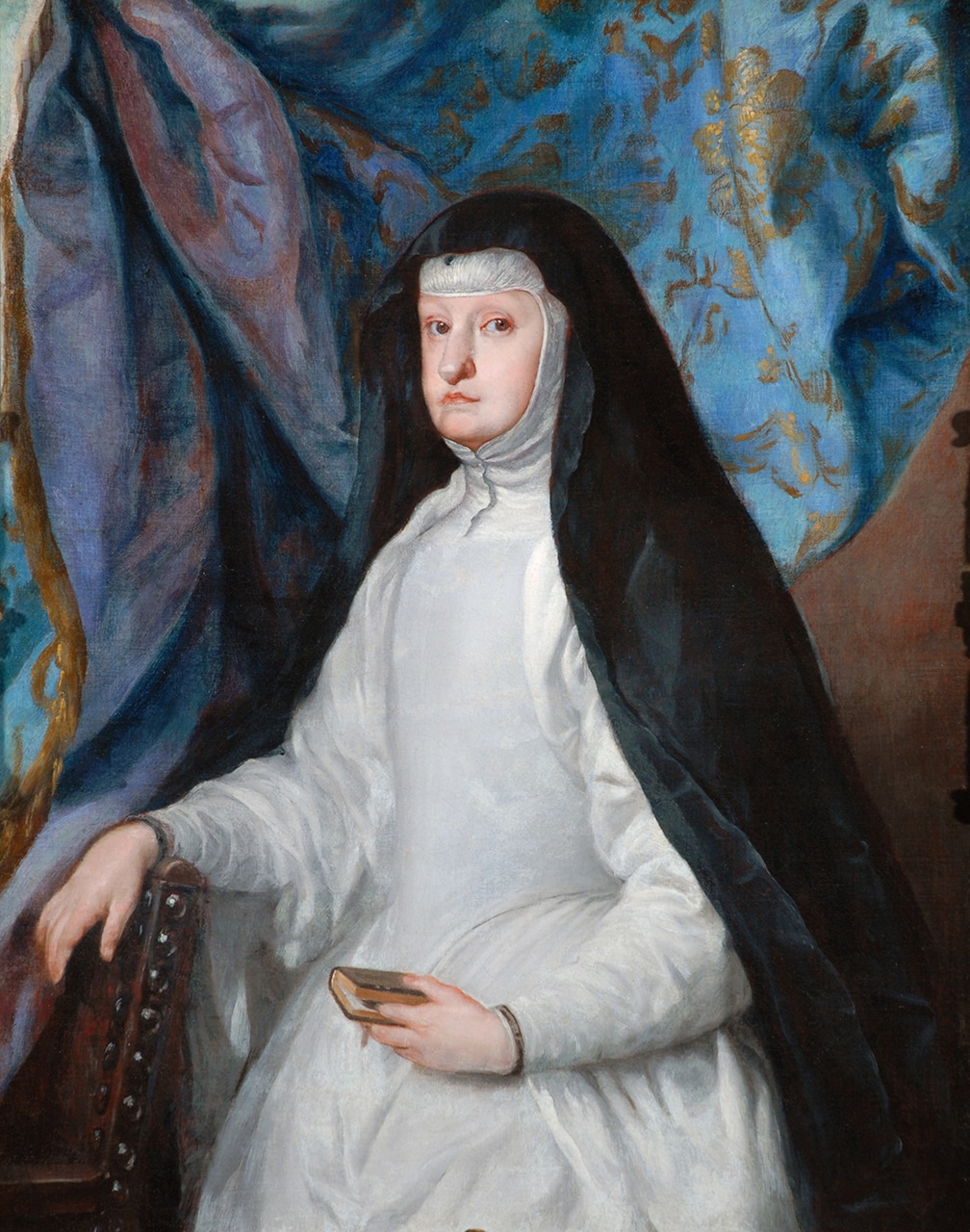
Mariana of Austria, Queen of Spain
Claudio Coello, c. 1677–80.
The Bowes Museum, Barnard Castle, B.M.69.
Read the commentary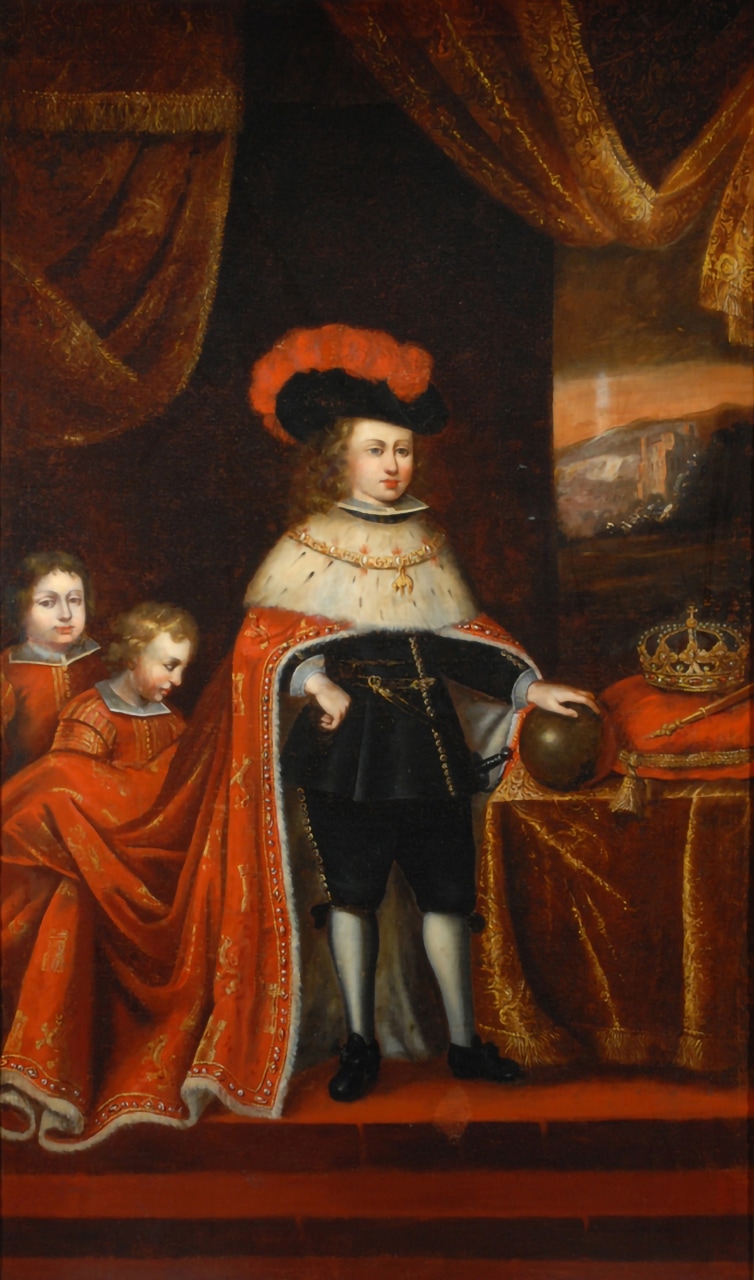
Charles II, King of Spain (1661–1700)
After Juan Carreño de Miranda, Late eighteenth century.
The Bowes Museum, Barnard Castle, B.M.69.
Read the commentary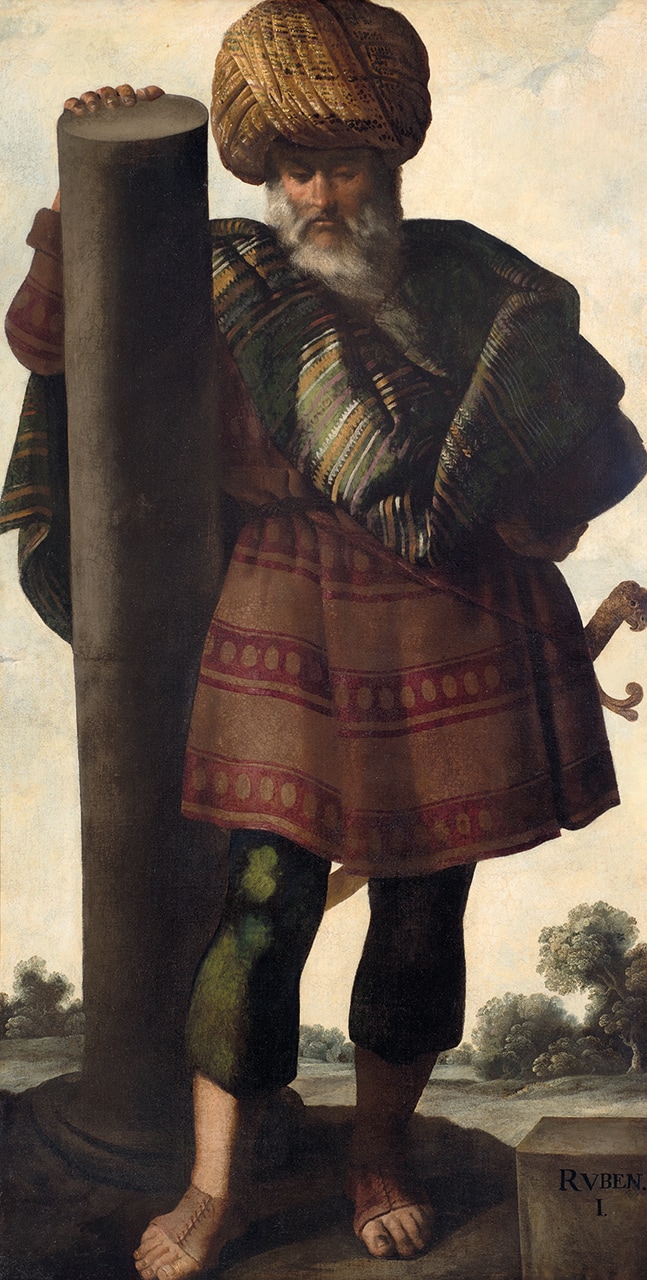
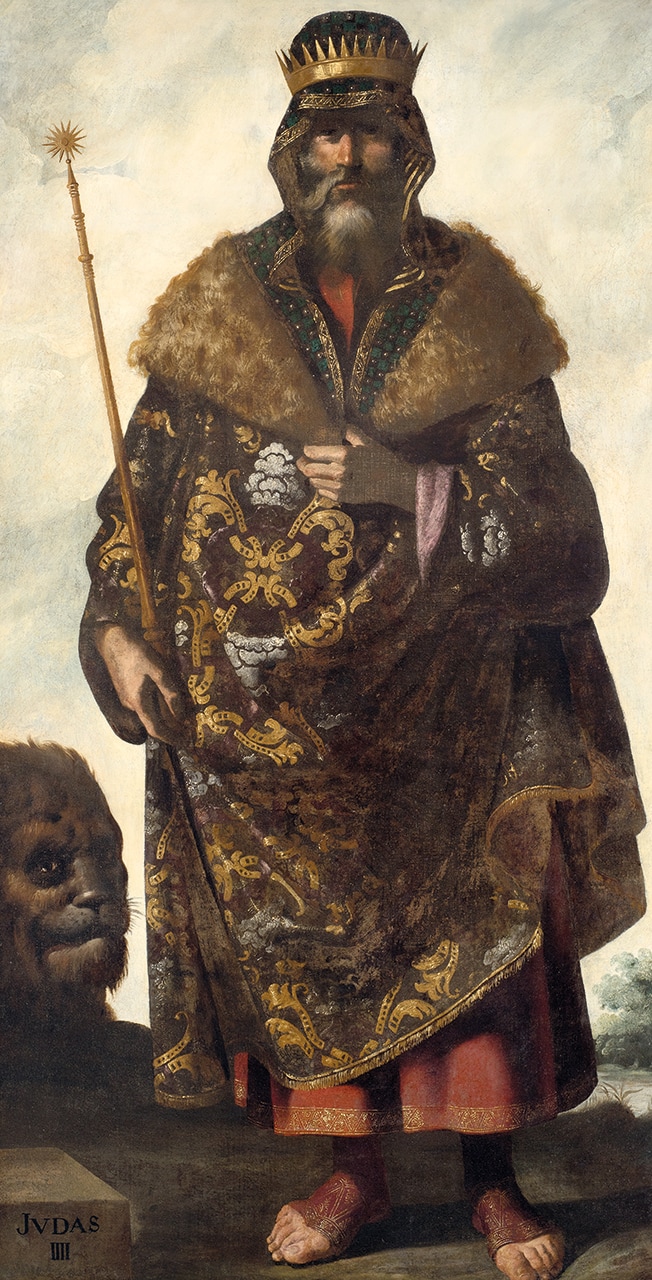
Judah
Francisco de Zurbarán, c. 1640–45.
Auckland Castle, Bishop Auckland.
Reuben and Judah are biblical figures and two of Jacob’s twelve sons. Zurbarán depicts the former with his right hand resting on a column, a symbol of fortitude, reflecting his power and rank as Jacob’s firstborn son. Yet Reuben’s eyes are downcast, alluding to the betrayal of his father’s trust and the subsequent decline of his Tribe. In contrast, Jacob’s fourth son, Judah, is depicted in the rich trappings of a king in recognition of his role as the ancestor of Joseph, the earthly father of Jesus, as well as of Kings David and Solomon.
Read the commentaryReuben
Francisco de Zurbarán, c. 1640–45.
Auckland Castle, Bishop Auckland.
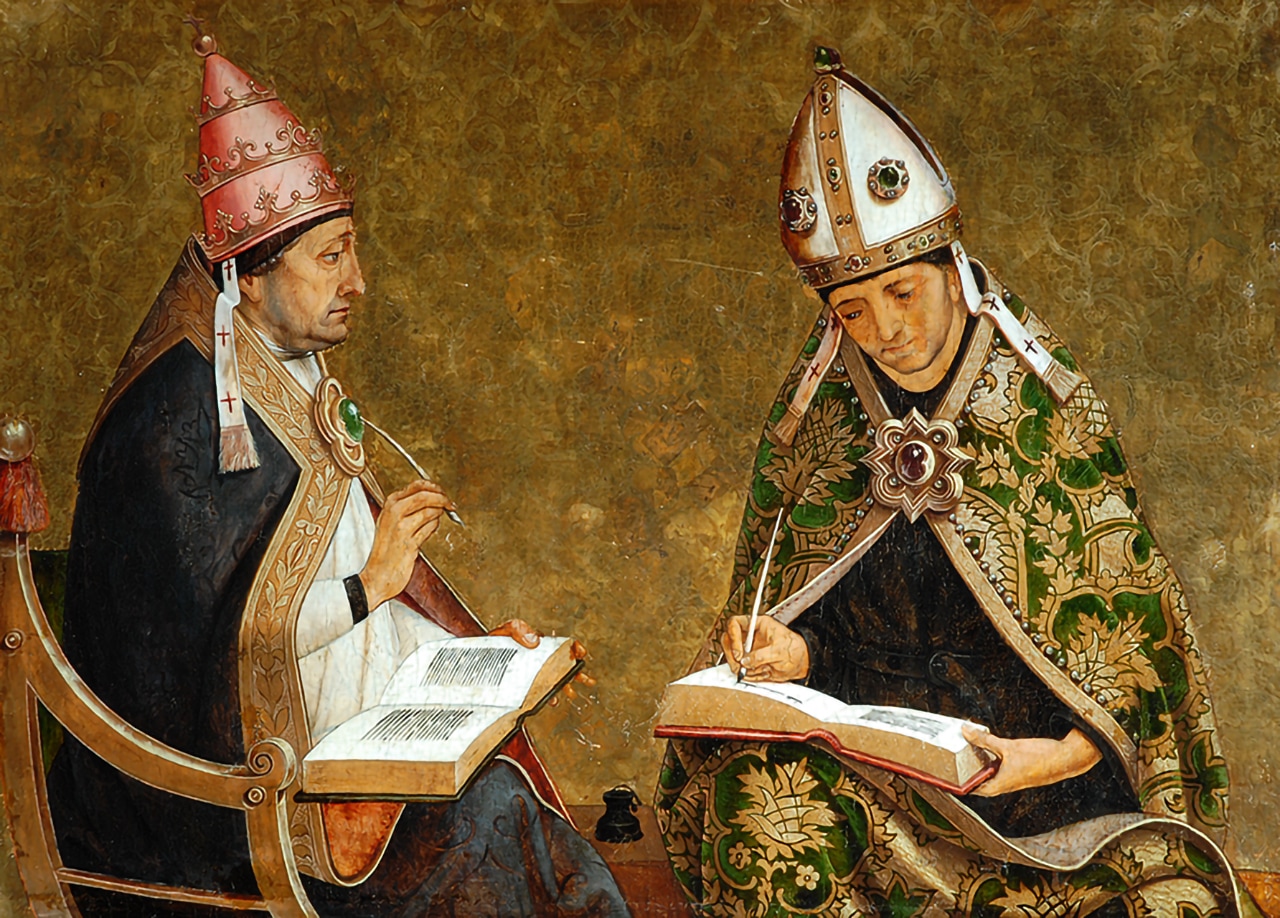
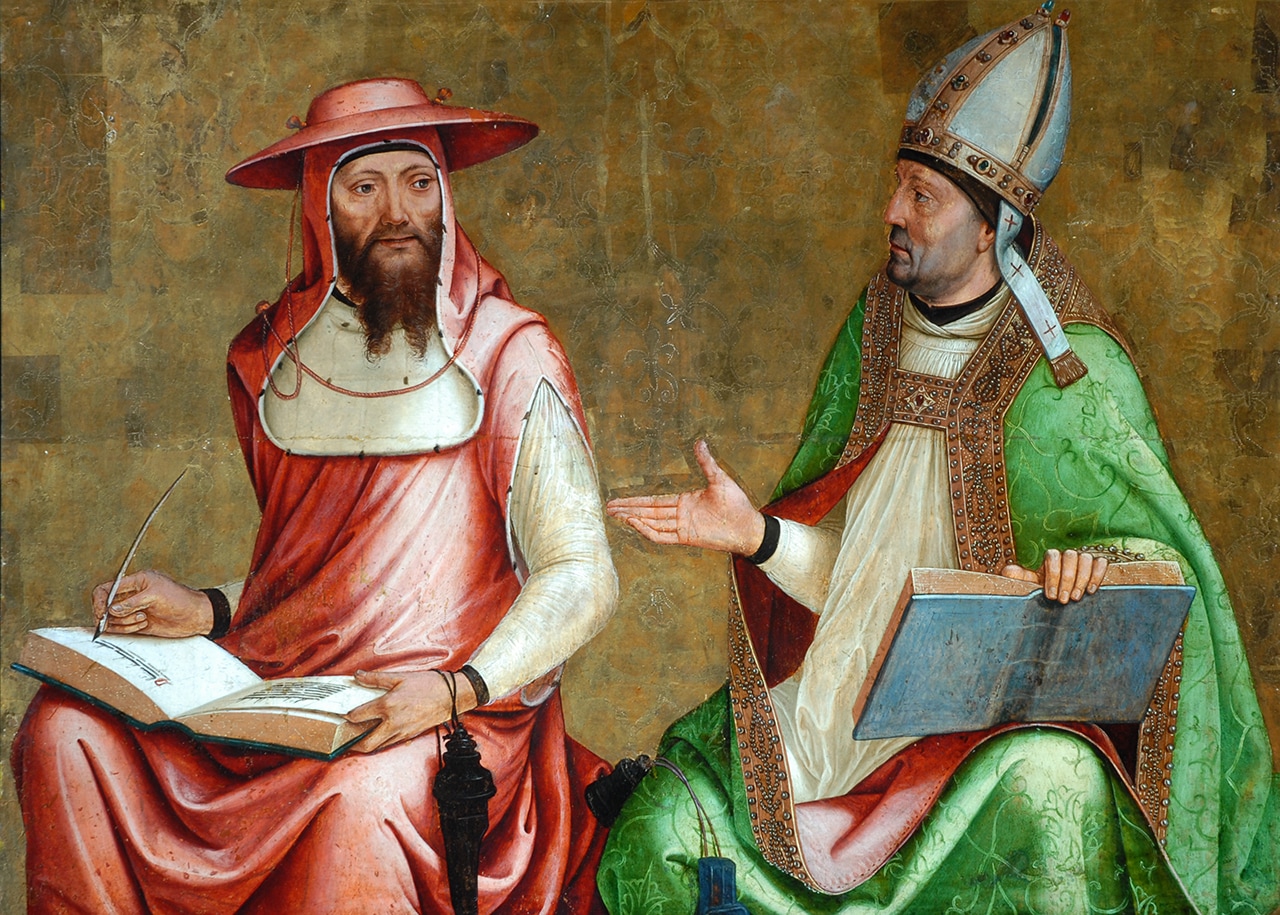
St Jerome and St Ambrose
Juan de Borgoña, c. 1510.
The Bowes Museum, Barnard Castle, B.M.69.
In these two panels, which were once part of an altarpiece, Juan de Borgoña offers portraits of the Four Doctors of the Western Church: St Gregory, St Augustine, St Jerome, and St Ambrose. In the first, St Gregory—identified by his papal tiara—gazes outwards towards St Augustine, who appears absorbed in his writing. In the second, St Jerome, who wears the distinctive red robes of a cardinal, listens patiently as St Ambrose, who wears those of a bishop, engages him in discussion. In each instance, the intricately tooled-gold background establishes an atmosphere of celestial serenity.
Read the commentarySt Gregory and St Augustine
Juan de Borgoña, c. 1510.
The Bowes Museum, Barnard Castle, B.M.69.
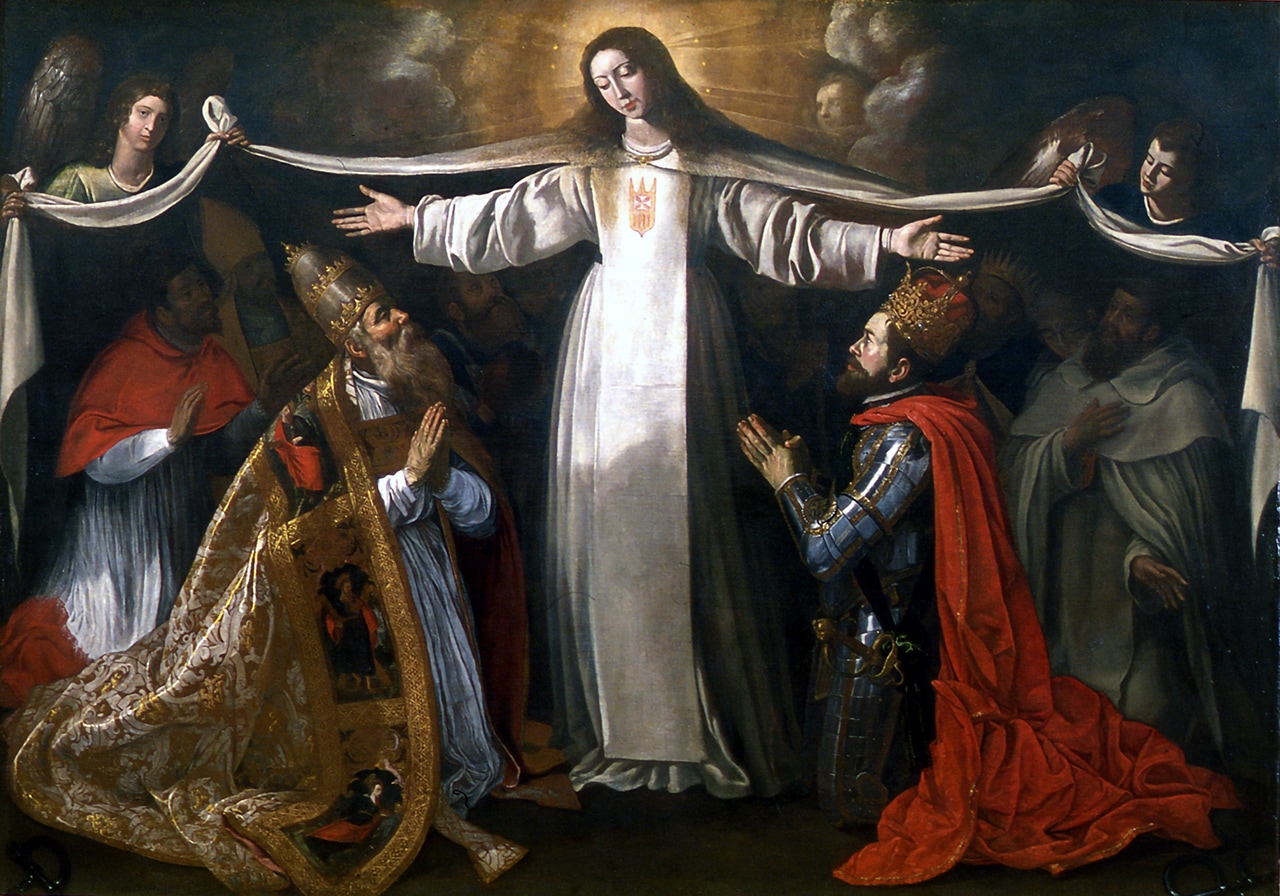
The Virgin of Mercy
Pedro Muñoz , c. 1640–50.
The Bowes Museum, Barnard Castle, B.M.69.
Read the commentary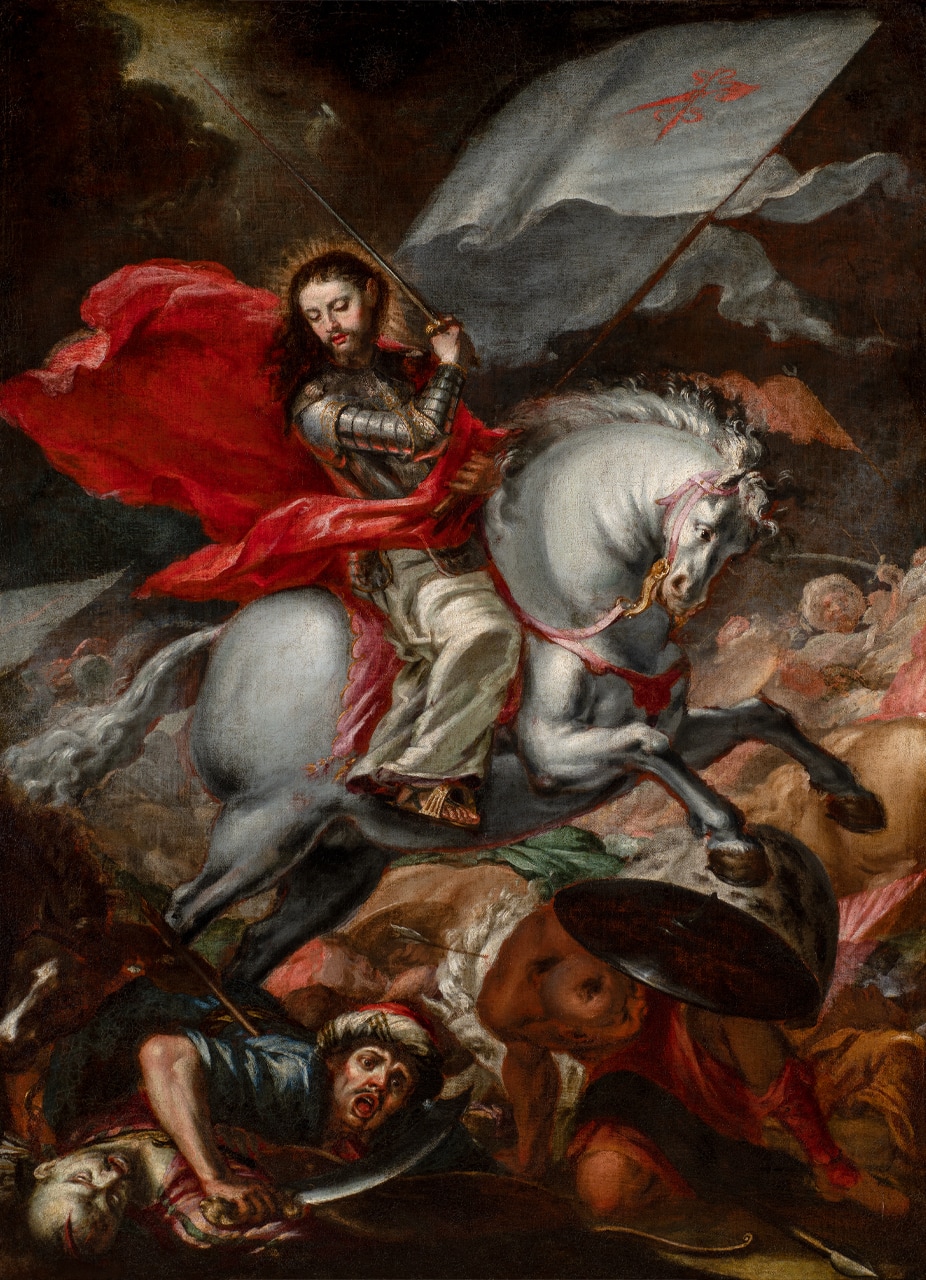
The Battle of Clavijo
Anonymous Spanish Artist, c. 1600–50.
The Spanish Gallery, Bishop Auckland.
Read the commentary
The ‘Copatronazgo’ of Saint James the Greater and Saint Teresa of Ávila
Fray Juan Bautista Maíno, c. 1627.
The Spanish Gallery, Bishop Auckland.
Read the commentary